
75
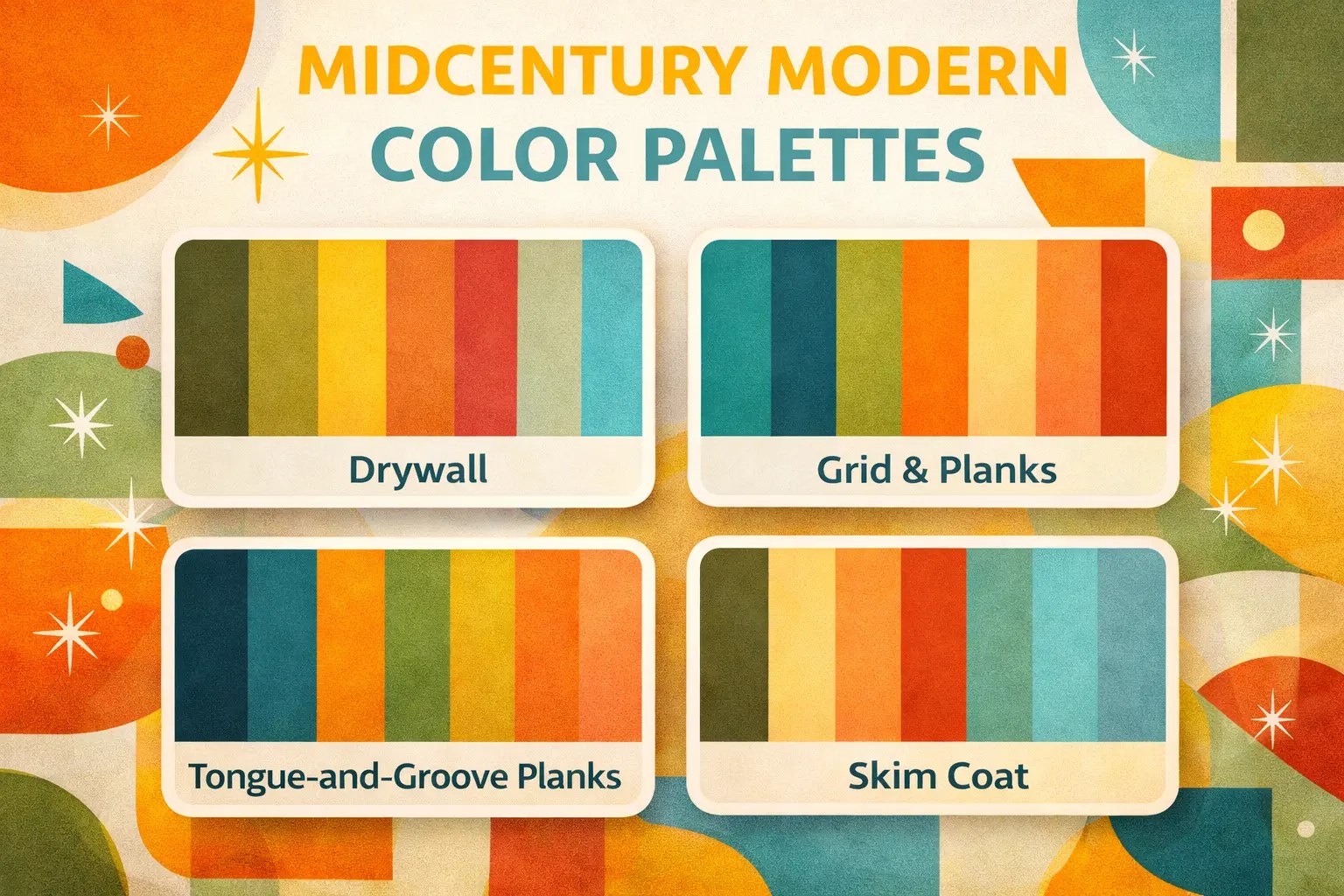
Midcentury Modern Color Palettes: A Guide to Creating a Retro-Inspired Oasis
Choosing the Perfect Midcentury Modern Color Palette
Midcentury modern design, with its clean lines, geometric shapes, and pops of color, continues to inspire homeowners and interior designers alike. But when it comes to choosing a color palette for your midcentury modern space, the options can seem endless. Here are a few tips to help you get started:
- Start with a neutral base. White, gray, beige, and black are all popular neutral choices for midcentury modern homes. These colors provide a blank canvas for you to add pops of color with furniture, artwork, and accessories.
- Incorporate pops of color. Midcentury modern design is known for its use of bold colors. Don’t be afraid to experiment with bright hues like blue, orange, teal, and yellow.
- Use complementary colors. Complementary colors are colors that sit opposite each other on the color wheel. When paired together, they create a vibrant and eye-catching effect. Some popular complementary color combinations for midcentury modern homes include blue and orange, red and green, and yellow and purple.
- Consider the overall tone of your space. Do you want your space to feel calming and inviting, or more energetic and playful? The colors you choose will play a big role in determining the overall mood of your room.
20 Midcentury Modern Color Palettes to Inspire Your Space
Not sure where to start? Here are 20 midcentury modern color palettes to inspire your next decorating project:
- White and Wood Tones
- Gray and Warm Browns
- Black and White
- Blue and Orange
- Teak and Neutrals
- Blue and Green
- Bright Primary Colors
- Peach and Gold
- Teal and Wood Tones
- Red, Orange, and Yellow
- White and Blue
- Pink and Teal
- Green and Neutrals
- Beige and Cream
- Blue and Black
- Olive Green and Teak
- White and Gold
- Blue and Natural Wood
- Red and Teak
- Brown and White
Designer-Approved Tips for Picking the Perfect Color Palette for Your Room
Still need some help choosing the perfect color palette for your midcentury modern space? Here are a few tips from professional designers:
- Consider the size of your room. Dark colors can make a small room feel even smaller, while light colors can make a large room feel more spacious.
- Think about the amount of natural light in your room. Rooms with lots of natural light can handle bolder colors, while rooms with less natural light may benefit from lighter colors.
- Don’t be afraid to experiment. The best way to find the perfect color palette for your space is to experiment with different colors and combinations. Don’t be afraid to paint a sample swatch on your wall or buy a few throw pillows in different colors to see how they look in your space.
With a little planning and effort, you can create a midcentury modern color palette that is both stylish and timeless. So get inspired, experiment, and have fun!
