
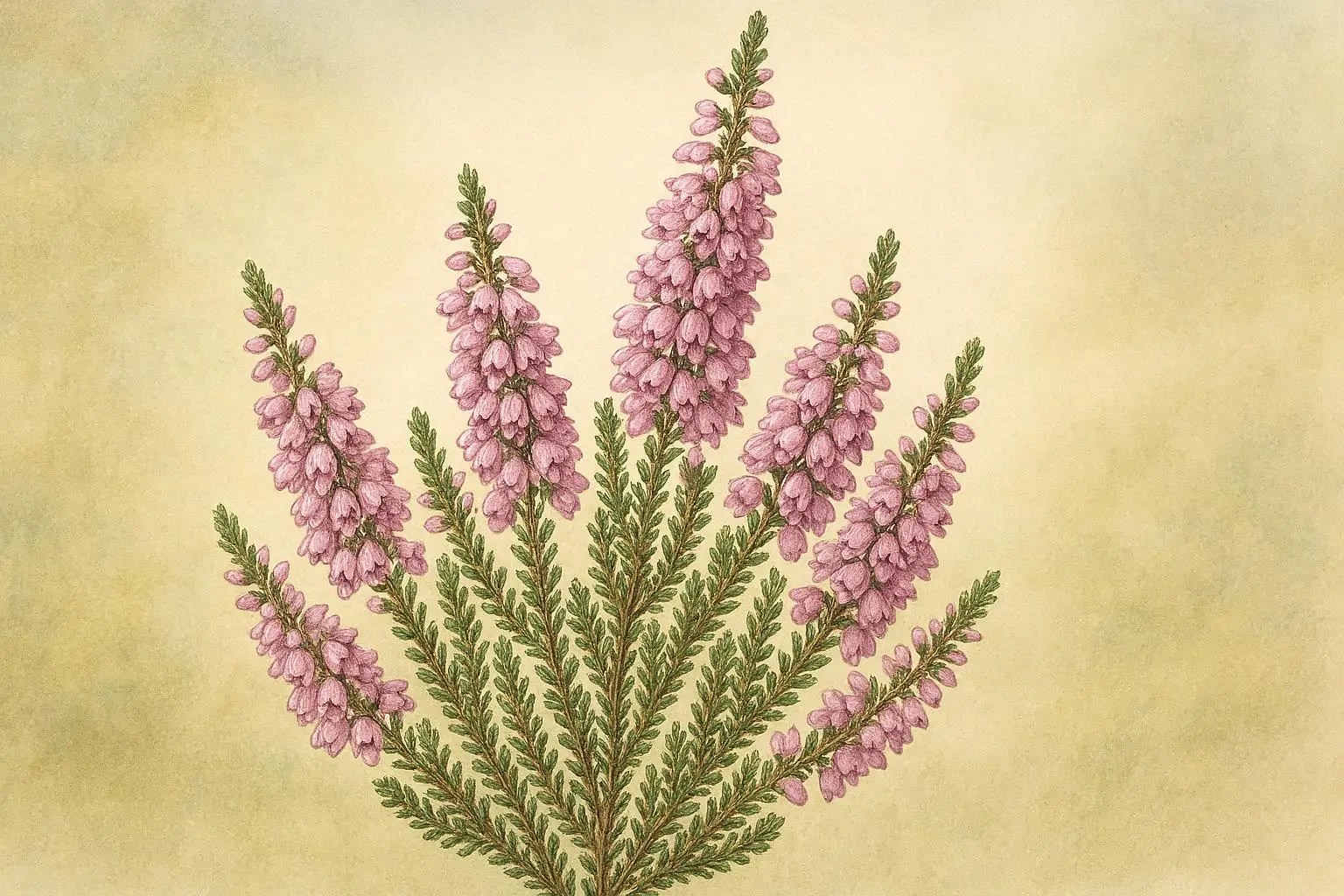
Heather: A Guide to Growing and Caring for This Beautiful Shrub
Overview
Heather, also known as Scotch heather or ling, is a captivating evergreen shrub known for its prolific pink-purple flowers that bloom from midsummer to early fall. This versatile plant is relatively low-maintenance and can thrive in a variety of soil conditions, making it an excellent choice for gardeners of all levels.
Plant Characteristics
- Botanical Name: Calluna vulgaris
- Family: Ericaceae
- Plant Type: Shrub, perennial
- Mature Size: 4-24 inches tall, 1-2 feet wide
- Sun Exposure: Full, partial
- Soil Type: Well-drained
- Soil pH: Acidic
- Bloom Time: Summer, fall
- Flower Color: Pink, purple, red
- Hardiness Zones: 4-6 (USDA)
- Native Area: Europe
Growing Conditions
Heather prefers well-drained soil and full sun, although it can tolerate partial shade. It thrives in acidic soils, such as those found in bogs and moorlands. It does not require fertile soil and can tolerate poor soil conditions, including salt spray.
Care Guide
Planting:
- Plant heather in well-drained soil.
- Choose a location that receives full sun or partial shade.
- Dig a hole twice the width of the root ball and just as deep.
- Place the heather plant in the hole and backfill with soil, tamping down gently to remove air pockets.
- Water thoroughly after planting.
Watering:
- Water regularly, especially during the first growing season.
- Heather requires approximately one inch of water per week.
- Once established, heather has average water needs, but may require more irrigation in warmer zones.
Mulching:
- Mulch around heather plants with organic matter, such as shredded bark or compost.
- Mulch helps retain moisture, suppress weeds, and regulate soil temperature.
Fertilizing:
- Fertilize heather sparingly with an acidic-leaning fertilizer once a year in early spring.
- Avoid over-fertilizing, as it can lead to leggy growth.
Pruning:
- Prune heather in early spring to remove dead or damaged stems.
- Pruning also helps maintain a compact, bushy shape.
Propagation:
- Heather can be propagated by cuttings, seeds, or division.
- Cuttings are the most common method and can be taken in the summer or fall.
Common Problems
Powdery Mildew:
- Powdery mildew is a fungal disease that can affect heather.
- It appears as a white or gray powdery coating on the leaves.
- To prevent powdery mildew, avoid overhead watering and prune faithfully to improve air circulation.
Root Rot:
- Root rot is caused by overwatering or poorly drained soil.
- Symptoms include wilting, yellowing leaves, and stunted growth.
- To prevent root rot, ensure that the soil drains well and avoid overwatering.
Browning Foliage:
- Browning foliage can indicate a variety of issues, such as drought, nutrient deficiency, or root rot.
- Check the soil moisture and fertilize if necessary. If the roots are damaged, the plant may need to be replaced.
FAQ
Q: Is heather toxic to pets? A: No, heather is not toxic to pets.
Q: Where should I plant heather? A: Heather can be planted in a variety of locations, including coastal hillsides, rock gardens, and borders.
Q: What is the origin of heather’s botanical name? A: The name Calluna derives from the Greek word “kallunein,” meaning to cleanse, as heather was traditionally used for making brooms.
Q: How can I get heather to bloom profusely? A: Ensure that heather receives plenty of sunlight, well-drained acidic soil, and is not over-fertilized.
Additional Tips
- Deadheading spent blooms can encourage new growth and extend the blooming period.
- Protect potted heather in cold climates with insulation and mulch.
- Avoid planting heather in the same spot for multiple years to prevent soil-borne diseases.
