
Caulking: A Step-by-Step Guide to Professional Results
Choosing the Right Caulk
The first step in caulking is choosing the right product for your needs. There are many different types of caulk available, each with its own strengths and weaknesses.
- Acrylic latex caulk: This is a general-purpose caulk that is easy to apply and clean up. It is best used for indoor applications where it will not be exposed to moisture.
- Latex caulk with silicone: This caulk is similar to acrylic latex caulk, but it contains added silicone, which makes it more water-resistant. It is a good choice for both indoor and outdoor use.
- Pure silicone caulk: This caulk is more expensive than latex caulk, but it is also more durable and water-resistant. It is the best choice for applications where the caulk will be exposed to a lot of moisture, such as in bathrooms and kitchens.
- Butyl rubber caulk: This caulk is used for outdoor applications, such as sealing gutters and roofs. It is not as flexible as latex or silicone caulk, but it is very durable.
- Refractory caulk: This caulk is used for high-temperature applications, such as around fireplaces and stoves. It is important to choose a caulk that is specifically designed for the application you have in mind.
Preparing the Surface
Once you have chosen the right caulk, you need to prepare the surface before applying it. This involves removing any old caulk and cleaning the surface.
To remove old caulk, you can use a razor blade or a caulk removal tool. Be careful not to damage the surface you are working on.
Once the old caulk is removed, you need to clean the surface with a rag and rubbing alcohol. This will remove any dirt or debris that could prevent the new caulk from adhering to the surface.
Applying the Caulk
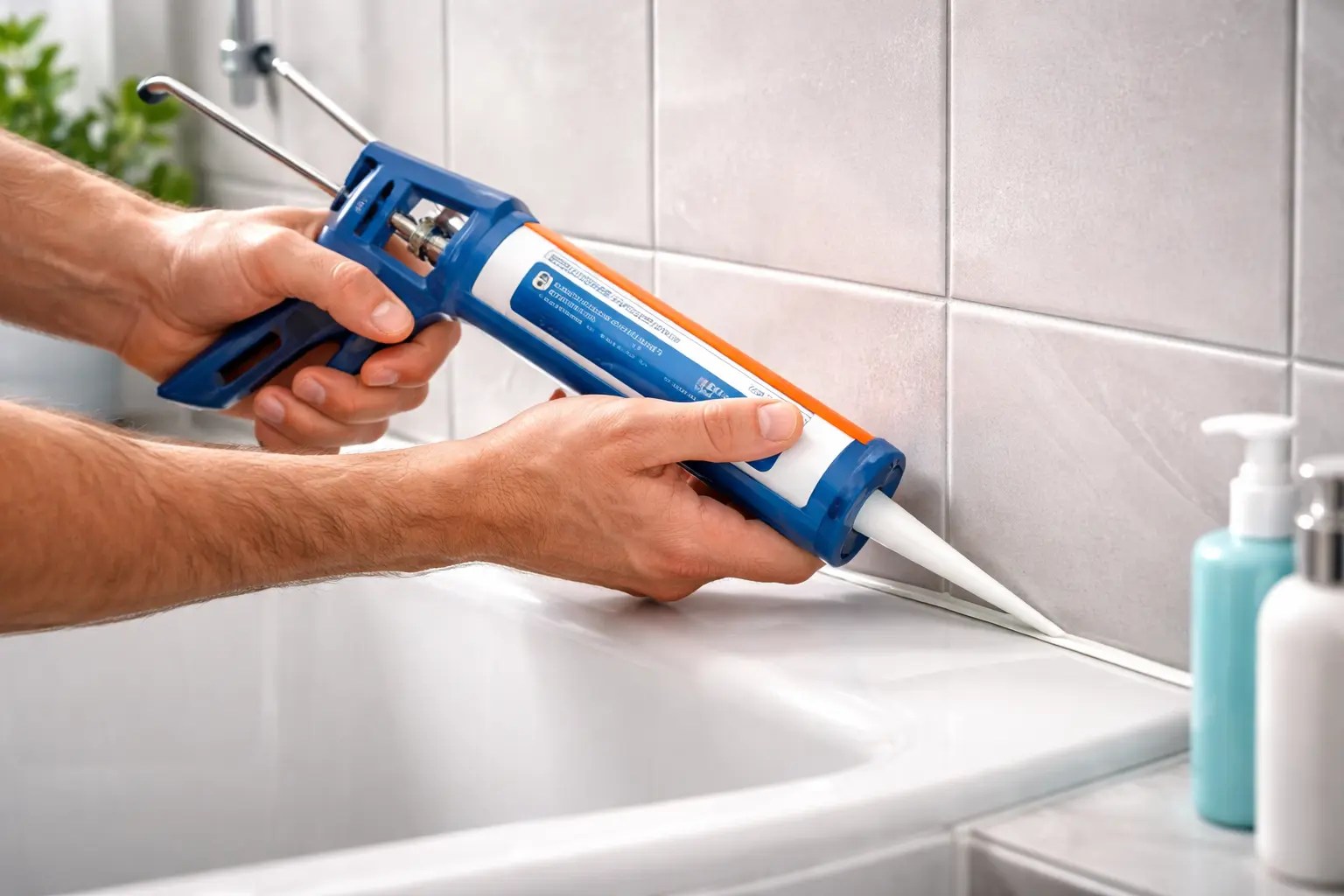
Now you are ready to apply the caulk. To do this, you will need a caulk gun. Squeeze the trigger of the caulk gun to release a steady stream of caulk.
Apply the caulk to the surface in a smooth, even bead. Make sure to fill the joint completely.
Once the caulk has been applied, you need to smooth it out. You can do this with your finger or a caulking tool. Be sure to wipe away any excess caulk.
Tips for a Professional Finish
Here are a few tips for getting a professional-looking finish when caulking:
- Use a smooth-action caulk gun. This will help you to apply the caulk evenly and smoothly.
- Apply the caulk at a 45-degree angle. This will help to create a neat and tidy bead.
- Smooth the caulk with your finger or a caulking tool. Be sure to wipe away any excess caulk.
- Remove the painter’s tape immediately after smoothing the caulk. This will prevent the caulk from sticking to the tape.
Caulking FAQ
- How do I get a smooth finish with caulking?
Work slowly and steadily as you apply the caulk, and make sure the nozzle tip releases a smooth stream. Smoothing the caulk joint will be more effective if the initial application was uniform.
- Do you push or pull when caulking?
It is better to pull when caulking. This should create a smoother application, whereas pushing the caulk gun can create an uneven flow.
- Can you put two layers of caulk?
Certain types of caulk, such as acrylic, can be layered. Silicone caulk typically cannot be layered because it’s too slick to stick to itself. And in many cases it’s best to remove the old caulk, regardless of type, to have the best prepared surface for new caulk.
