
Kalanchoe Fedtschenkoi: A Guide to Care and Cultivation
Overview
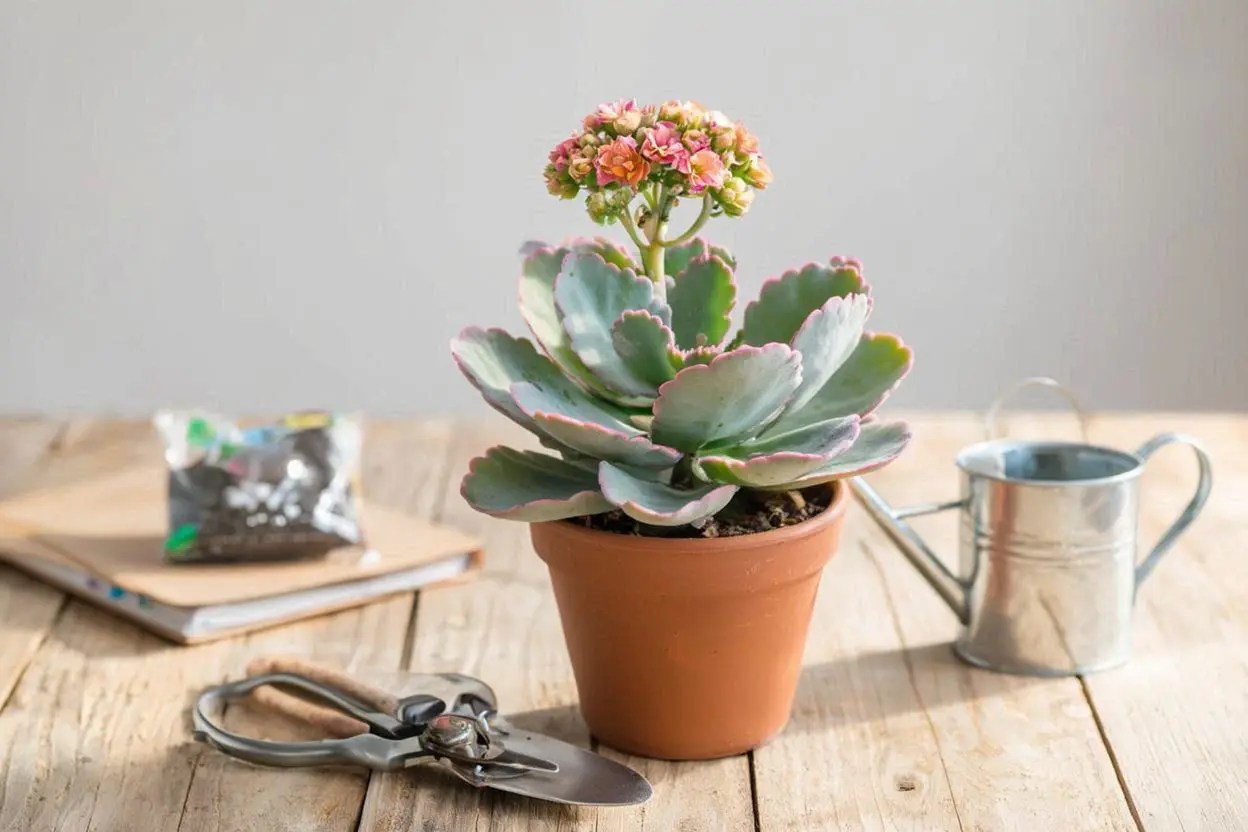
Kalanchoe fedtschenkoi, commonly known as lavender scallops, is a succulent native to Madagascar. It is prized for its unique, variegated leaves with scalloped edges and colorful, bell-shaped flowers. This easy-to-grow plant can thrive both indoors and outdoors in temperate climates.
Plant Care
Light: Kalanchoe fedtschenkoi prefers bright, indirect light indoors and filtered or morning light outdoors. Avoid exposing it to harsh direct sunlight, as this can burn its leaves.
Soil: Use a well-drained potting mix specifically designed for succulents or cacti. The mix should contain at least 50% perlite, pumice, or coarse sand to ensure adequate drainage.
Water: Water your Kalanchoe fedtschenkoi thoroughly when the soil has completely dried out. Allow the soil to dry out again before watering once more. Signs of thirst include slightly wrinkled or shriveled leaves.
Temperature and Humidity: This plant prefers temperatures between 60 and 85 degrees Fahrenheit. It cannot tolerate temperatures below 30 degrees Fahrenheit, so bring container plantings indoors during winter in colder climates. Kalanchoe fedtschenkoi does not require high humidity, but it can tolerate typical indoor humidity levels around 40-50%.
Fertilizer: Feed your Kalanchoe fedtschenkoi every two weeks with a liquid houseplant fertilizer diluted to half strength during the growing season. Begin fertilizing in late winter or early spring and continue through the end of summer.
Types of Kalanchoe Fedtschenkoi
- ‘Aurora Borealis’: Cream-edged leaves with a pink tinge in full sun
- ‘Variegata’: Cream and red leaf edges, bushy growth habit
- ‘Majestic Scallops’: Wide, blue-green leaves with red scallops in sunny, dry conditions
Pruning
Prune your Kalanchoe fedtschenkoi after it blooms to promote new growth. Remove dead limbs and damaged leaves at any time of year. Use sharp, sterilized pruners to avoid spreading plant diseases.
Propagation
Kalanchoe fedtschenkoi can be easily propagated by rooting stem cuttings or leaf cuttings.
Stem Cuttings:
- Choose a healthy stem at least 3 inches long with several leaves.
- Make a diagonal cut just below a leaf node.
- Allow the cut to callus over for a few days out of direct sun.
- Plant the stem in succulent soil, cut side down.
- Water sparingly to avoid root rot.
Leaf Cuttings:
- Remove a healthy leaf from the mother plant.
- Allow the leaf to callus over for a few days in a shady place.
- Place the leaf flat on the surface of succulent soil.
- Mist the soil surface lightly with water.
- Allow the leaf to sit for a few weeks, misting the soil occasionally.
- Plant the plantlets that grow from the edges of the leaf in soil.
Potting and Repotting
Repot your Kalanchoe fedtschenkoi every two years or so, using a pot one size larger than the previous one. Handle plants delicately during repotting, as leaves can easily break off. Terra cotta pots are ideal for these plants as they wick away excess moisture. Ensure that pots have drainage holes and that saucers or drip trays are emptied after watering.
Common Pests and Diseases
Kalanchoe fedtschenkoi is susceptible to common houseplant pests such as spider mites, scale, and mealybugs. Fungal infections like root rot and powdery mildew can also occur if the plant is overwatered.
Blooming
Kalanchoe fedtschenkoi may take several years to produce flowers. Once it blooms, it will die, leaving behind offsets and plantlets. The plant requires 12-14 hours of darkness per night for several weeks to initiate flowering. This can occur naturally outdoors or be simulated indoors with artificial lighting.
Bloom Appearance:
Kalanchoe fedtschenkoi’s flowers are bell-shaped, with a reddish-brown outer layer and red petals inside. They hang down in clusters from reddish stems and are attractive to pollinators like hummingbirds and butterflies.
Common Problems
- White Spots on Leaves: Powdery mildew. Remove affected plant parts and dispose of them. Prevent by watering the soil directly and keeping foliage dry.
- Wrinkled Leaves: Underwatering. Water the plant deeply and monitor soil moisture regularly.
- Stem Turning Brown: Mushy brown areas indicate severe overwatering and rot. Cut away healthy portions of the stem and propagate them into new plants.
FAQs
- Does Kalanchoe fedtschenkoi flower? Yes, with proper care and conditions, it will produce reddish-brown flowers.
- What are other names for Kalanchoe fedtschenkoi? Lavender scallops, Bryophyllum fedtschenkoi
- Can Kalanchoe fedtschenkoi grow indoors? Yes, with sufficient light, warmth, and proper care.
