
Philodendron Verrucosum: A Comprehensive Guide to Care and Cultivation
Overview
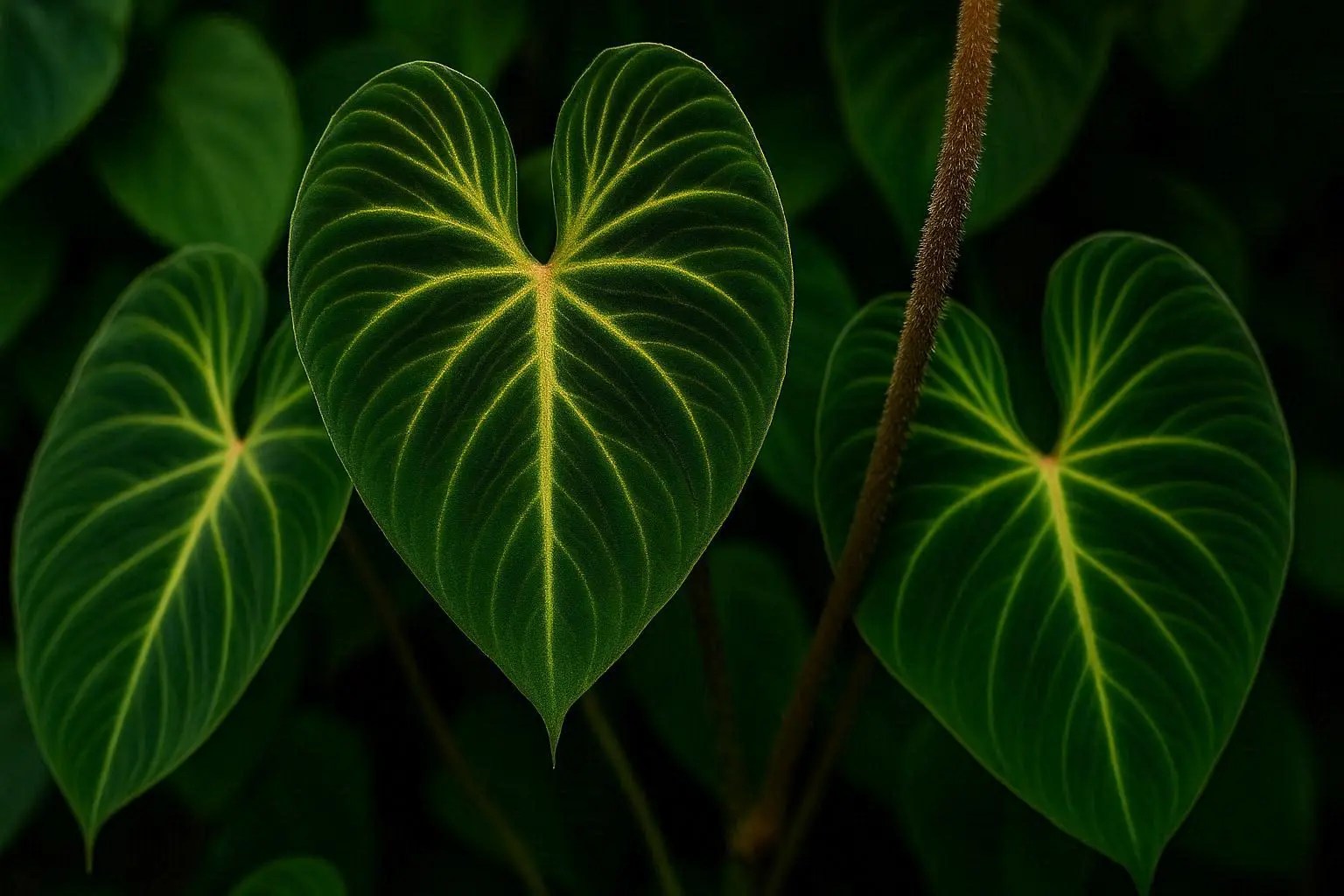
Philodendron verrucosum, also known as the Ecuador philodendron, is a captivating houseplant prized for its striking, heart-shaped leaves and mesmerizing color palette. With velvety green leaves adorned with light green veins and a burgundy underside, this tropical vine adds a touch of elegance to any home.
Taxonomy and Classification
- Common Name: Ecuador Philodendron
- Botanical Name: Philodendron verrucosum
- Family: Araceae
- Plant Type: Vine
- Mature Size: Up to 3 ft. tall, 2 ft. long, and 2 ft. wide
Environmental Requirements
Light: Prefers bright, indirect lighting, mimicking its natural habitat beneath the forest canopy.
Soil: Requires well-draining soil with good aeration, such as a mix of potting mix, coco coir, orchid bark, or peat moss.
Water: Enjoys consistent moisture, but avoid overwatering. Allow the top few inches of soil to dry out before watering again.
Temperature and Humidity: Thrives in warm temperatures above 68°F and high humidity levels. Consider using a humidifier, pebble tray, or terrarium to provide adequate moisture.
Fertilization: Benefits from monthly fertilizing during the spring and summer months with a fertilizer designed for plants in the Araceae family.
Types of Philodendron Verrucosum
Philodendron verrucosum exhibits variations in color and size, giving rise to several distinct varieties:
- Philodendron verrucosum ‘Rojo’: Known for its deep red coloration on the undersides of the leaves.
- Philodendron verrucosum ‘Verde’: Features dark green leaves with more subtle veining and a subdued red color on the leaf undersides. Requires high humidity.
- Philodendron verrucosum ‘El Valle’: A dwarf variety with leaves reaching up to 4 inches in length. Boasts a unique coppery underside and prefers high humidity.
Propagation
Propagating philodendron verrucosum is a straightforward process that can be done through cuttings:
- Remove a small cutting with at least one node and one leaf.
- Plant the node in well-draining soil or place in a glass of water, ensuring the node is submerged.
- Position the cutting in bright, indirect light.
- Change the water weekly if propagating in water.
- Roots should form within a couple of weeks, at which point the cutting can be planted in soil.
Potting and Repotting
Philodendron verrucosum is a fast grower and may require repotting annually. When repotting, choose a pot that is a few inches larger than the current one with good drainage holes. Gently remove the plant from its old pot and replant it in fresh, well-draining soil.
Overwintering
During the winter months, reduce watering and stop fertilizing. Protect the plant from cold drafts by placing it away from windows or doors.
Bloom Production
Philodendron verrucosum produces inconspicuous flowers, known as a spathe and spadix. These pink and white blooms appear in the spring and summer. Encouraging flowering requires ample humidity, warm temperatures, and regular fertilization.
Common Problems
Yellowing Leaves: Overwatering or poor drainage can lead to yellowing leaves. Allow the soil to dry out before watering and improve soil drainage.
Leggy Stems: Indicates insufficient light. Move the plant to a location with brighter, indirect light.
Brown, Dry Leaf Edges: Suggests underwatering or low humidity. Check the soil for dryness and consider increasing humidity levels.
Additional Care Tips
- Philodendron verrucosum prefers to climb, so provide a moss pole for support.
- Prune regularly to maintain a desired shape and encourage new growth.
- Avoid placing the plant in direct sunlight, as this can scorch the leaves.
- If pests are a concern, use insecticidal soap or neem oil to control them.
FAQs
- Are philodendron verrucosum plants easy to care for?
With specific attention to temperature, humidity, and soil conditions, philodendron verrucosum plants can thrive as beautiful houseplants.
- Is Philodendron verrucosum rare?
Philodendron verrucosum is relatively uncommon, making it a sought-after collector’s item.
- How fast does Philodendron verrucosum grow?
Under ideal conditions, philodendron verrucosum can be a fast grower, producing new leaves and stems at a steady pace.
