
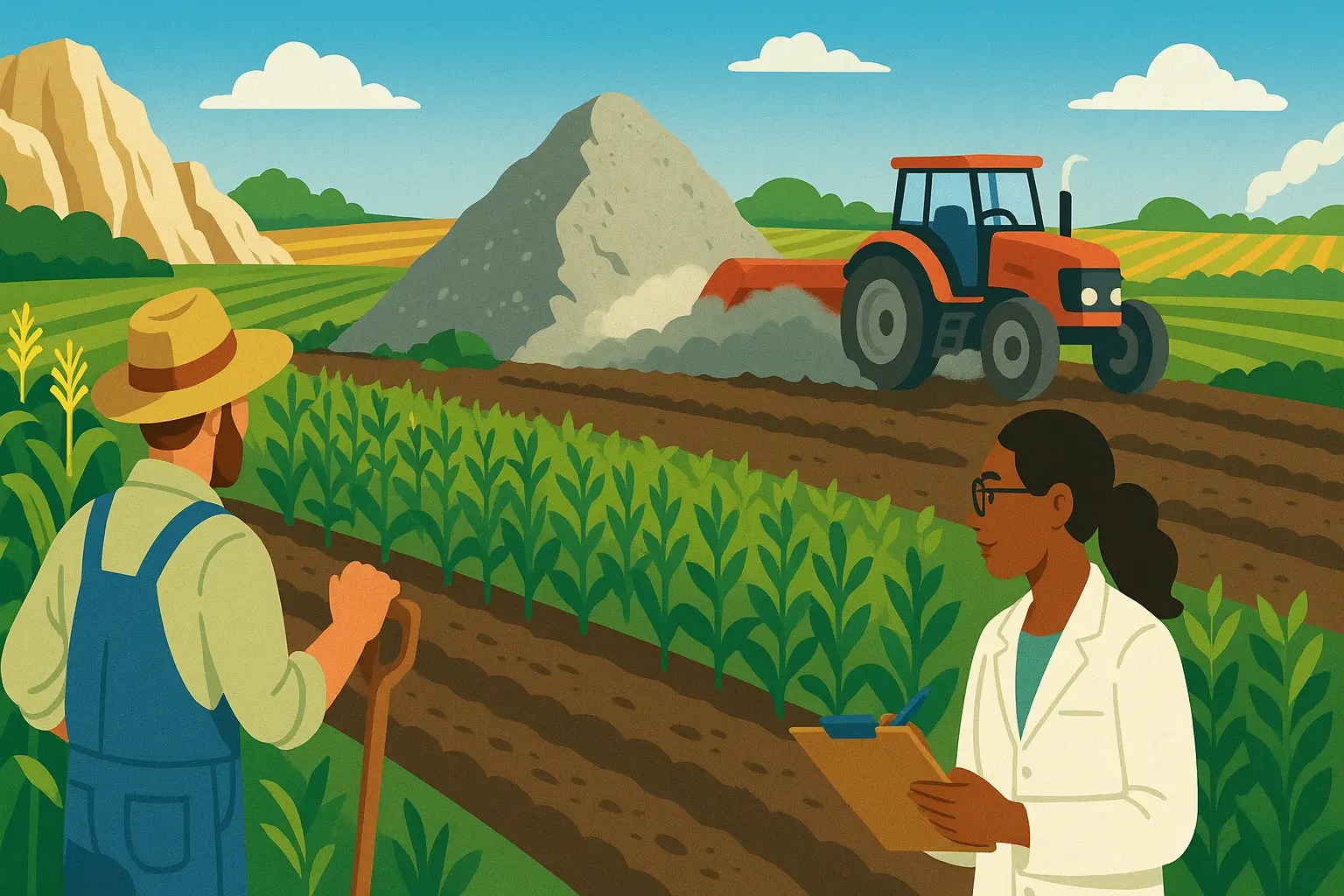
Enhanced Weathering: A Promising Solution for Climate Change and Agriculture
Enhanced Weathering: A Natural Process with Climate Benefits
Enhanced weathering is a process that accelerates natural geological processes to remove carbon dioxide from the atmosphere and store it in the soil. By spreading finely crushed rock dust over large areas of land, such as farmland, the minerals in the dust react with water and carbon dioxide to form bicarbonate ions. These ions are then washed into the ocean, where they form carbonate minerals that trap carbon for hundreds of thousands of years.
Benefits for Agriculture: Fertile Soil and Carbon Sequestration
In addition to its climate benefits, enhanced weathering also has positive implications for agriculture. The minerals in the rock dust can fertilize soil, improving crop yields and reducing the need for chemical fertilizers. This makes enhanced weathering an attractive option for farmers looking to improve soil health and reduce their environmental impact.
Potential Impact on Carbon Dioxide Levels
Scientists estimate that if enhanced weathering were implemented on a global scale, it could remove up to two billion tons of carbon dioxide from the atmosphere each year. This would make a significant contribution to mitigating climate change and meeting the goals of the Paris Agreement.
Practical Applications: Utilizing Farmland and Industrial Excess
Enhanced weathering can be easily integrated into existing farming practices, as many farms are already equipped to spread rock dust. Excess rock from industrial projects can also be utilized, reducing the need for new mining and mitigating the energy consumption associated with rock dust production.
Challenges and Opportunities: Overcoming Inertia and Aligning Policies
While enhanced weathering offers significant potential, there are challenges to its widespread implementation. Overcoming political and social inertia is crucial, as well as aligning agriculture and climate policies to support the adoption of this practice.
Cost Considerations: Balancing Environmental Benefits and Economic Viability
The cost of spreading rock dust on farmland varies depending on the scale of the operation and the availability of rock dust sources. While enhanced weathering is generally more expensive than some clean energy solutions, such as solar farms, its agricultural benefits and potential for carbon sequestration make it a valuable investment in climate change mitigation.
International Collaboration: Addressing a Global Challenge
To effectively address the challenge of climate change, international collaboration is essential. Enhanced weathering can be implemented in all parts of the world, and countries with high carbon dioxide emissions, such as China, the United States, and India, have the greatest potential to make a significant impact.
Conclusion
Enhanced weathering is a promising climate change mitigation strategy that offers multiple benefits, including carbon dioxide removal, soil fertilization, and alignment with agricultural practices. While challenges remain in its implementation, the potential for enhanced weathering to contribute to a more sustainable and climate-resilient future is significant.
