
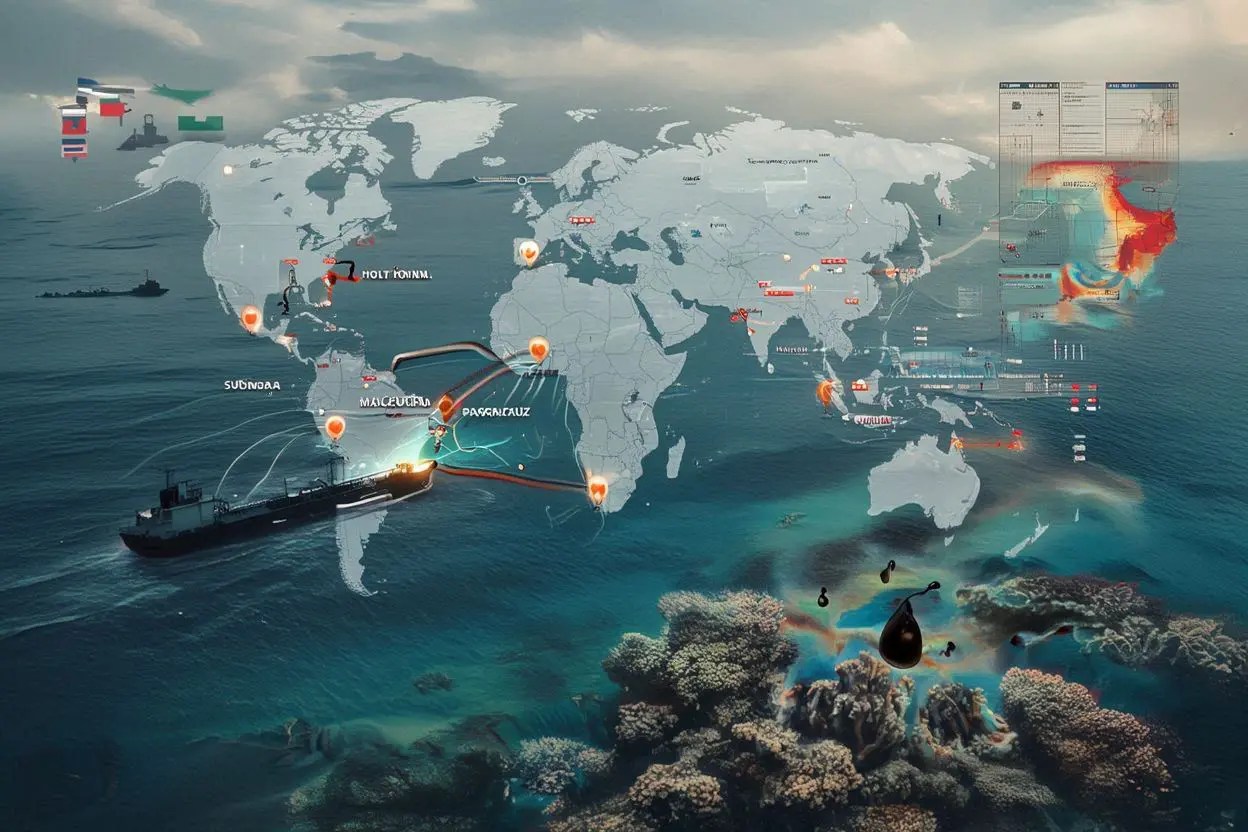
Oil Chokepoints: Critical Gateways with Environmental and Geopolitical Implications
Environmental Impacts
Oil chokepoints, narrow waterways through which vast amounts of oil are transported, pose significant environmental risks. Tankers carrying millions of barrels of oil navigate these congested waters, increasing the likelihood of oil spills. The concentrated traffic and treacherous geography make safe navigation challenging, particularly for massive tankers that rival the size of the Empire State Building.
Spills in chokepoints can have devastating consequences for coastal ecosystems and marine life. The Turkish Straits, a vital waterway bisecting Istanbul, has witnessed numerous maritime accidents and spills, wreaking havoc on the fragile aquatic environment. Similarly, the Strait of Malacca, a major shipping lane, has experienced oil spills that threaten coastal seagrass beds and mangroves.
Beyond spills, tanker traffic contributes to other environmental impacts. Ballast water, used to stabilize tankers during cargo discharge, can introduce non-native species into new ecosystems when it is released. Tankers also burn high-sulfur bunker fuel, emitting air pollution, and release volatile organic compounds during oil loading and transportation.
Additionally, noise pollution from tankers can disrupt acoustic communication among marine mammals. These impacts are amplified in chokepoint traffic, where tankers often transit near areas of ecological importance, such as National Marine Sanctuaries and key environmental gateways between larger aquatic ecosystems.
Geopolitical Realities
Oil chokepoints are not only environmental hotspots but also geopolitical flashpoints. The Strait of Hormuz and the Strait of Malacca, for example, handle enormous volumes of oil, making them vulnerable to disruptions that could have far-reaching economic and political consequences.
Sarah Ladislaw, director of the Energy and National Security Program at the Center for Strategic & International Studies, highlights the interplay between oil logistics and geopolitical factors such as political unrest and terrorism. She emphasizes that disruptions at these chokepoints can have severe impacts on global economies, markets, and consumers.
Panama Canal: Tradeoffs and Environmental Concerns
The Panama Canal, a crucial oil conduit, faces tradeoffs between efficiency and environmental protection. Tanker sizes have increased, rendering the canal too narrow to accommodate the largest vessels. This has led to the expansion of the canal, raising concerns about disrupting terrestrial wildlife corridors and facilitating the migration of non-native species between oceans.
Furthermore, the canal’s operation involves mixing ocean waters with the lock system, potentially increasing salinity levels in Lake Gatun, Panama’s primary freshwater source. Canal widening has also triggered a chain reaction, necessitating dredging and deepening of waterways along U.S. coastlines to accommodate larger ships. Dredging can disrupt seafloor habitats and introduce contaminants into the ecosystem.
International Cooperation and Benefits
Despite the challenges posed by oil chokepoints, they can also foster international cooperation. Countries recognize the mutual interest in protecting these vital waterways from disruption. This has led to collaborative efforts to prevent accidents and mitigate environmental impacts.
Ladislaw suggests that cooperation between China and other regional sea powers could be particularly beneficial in ensuring the safe transit of oil through the Strait of Hormuz and the Strait of Malacca. She views this as an opportunity to engage China on an issue of common interest.
Long-Term Impacts and Mitigation Strategies
The environmental and geopolitical implications of oil chokepoints demand ongoing attention. Long-term strategies are needed to mitigate risks and ensure the sustainable flow of oil while protecting marine ecosystems and addressing geopolitical concerns.
Technological advancements in tanker safety, spill prevention, and emissions reduction can play a crucial role in minimizing environmental impacts. International cooperation remains essential for monitoring chokepoints, responding to incidents, and developing comprehensive risk management plans.
Furthermore, addressing climate change and its potential impacts on freshwater resources in the Panama Canal Zone is vital. Sustainable dredging practices and efforts to reduce seafloor disturbance are necessary to safeguard marine habitats.
By balancing economic interests with environmental protection and geopolitical stability, we can harness the benefits of oil chokepoints while minimizing their risks and ensuring a sustainable future for our oceans and our planet.
