
Lyme Disease: A Widespread and Misunderstood Threat
What is Lyme Disease?
Lyme disease is a bacterial infection primarily transmitted to humans through the bite of an infected tick. The causative agent is the bacterium Borrelia burgdorferi. As the most prevalent vector-borne illness in the United States, Lyme disease poses a significant public health concern.
Prevalence and Underreporting
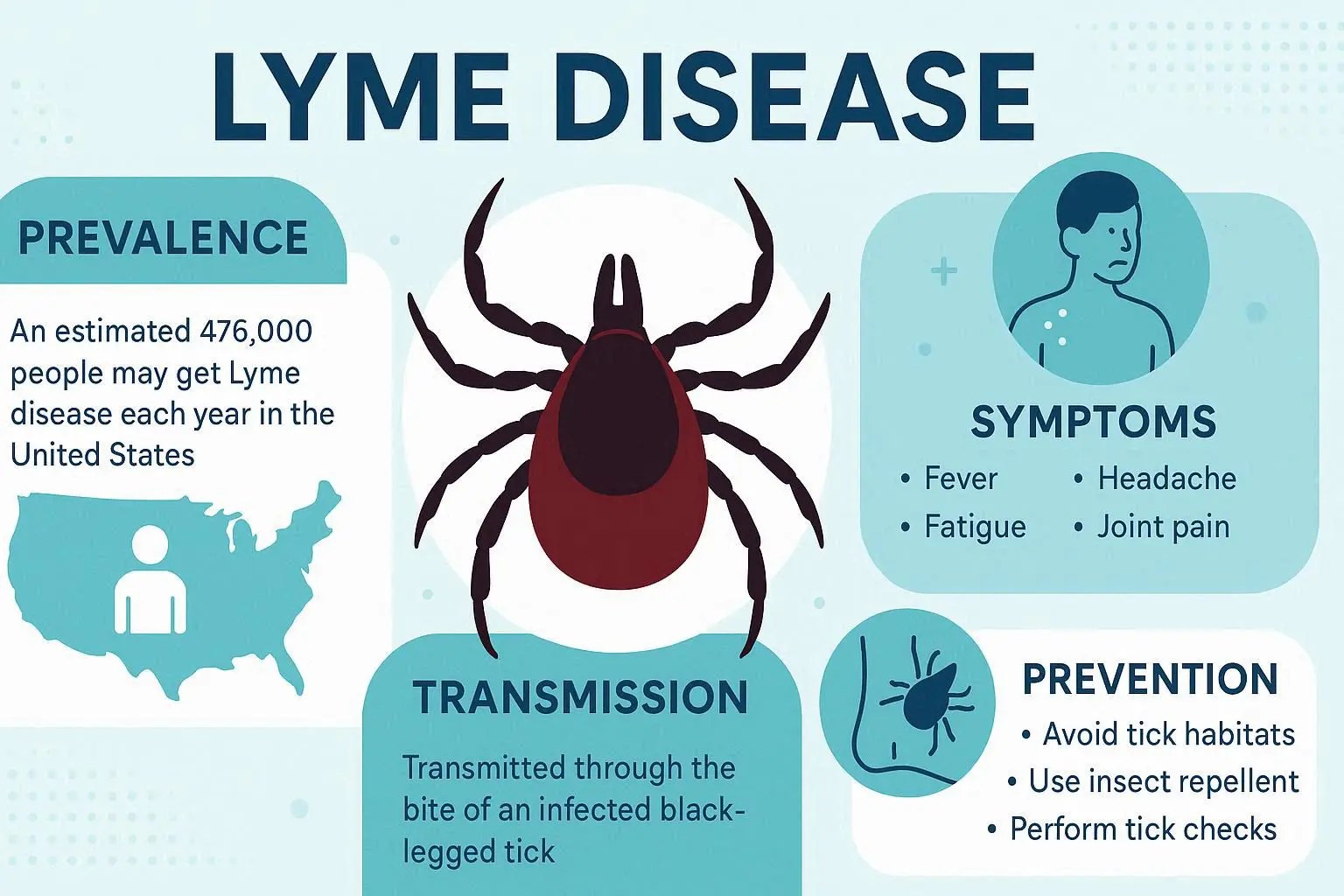
Recent estimates from the Centers for Disease Control and Prevention (CDC) suggest that the incidence of Lyme disease is ten times higher than previously reported. This means that approximately 300,000 Americans contract Lyme disease annually, making it a much more common ailment than previously believed.
This underreporting is attributed to various factors, including:
- Difficulty in diagnosing Lyme disease due to its diverse and often subtle symptoms
- Lack of standardized surveillance methods, leading to inconsistent reporting across healthcare providers
Transmission and Symptoms
Lyme disease is primarily transmitted through the bite of an infected blacklegged tick, commonly known as a deer tick. These ticks are found in wooded and grassy areas, particularly in the northeastern and midwestern United States.
After a tick bite, the bacterium can enter the bloodstream and cause a wide range of symptoms, including:
- Erythema migrans (bull’s-eye rash)
- Fever
- Fatigue
- Headache
- Muscle and joint pain
Diagnosis and Treatment
Lyme disease is typically diagnosed based on a combination of clinical symptoms and laboratory testing. The most common test is an antibody test, which detects antibodies produced by the immune system in response to the infection.
Early diagnosis and treatment with antibiotics are crucial to prevent serious complications. If left untreated, Lyme disease can lead to long-term health issues, including:
- Arthritis
- Neurological problems
- Cardiac abnormalities
Prevention
Prevention of Lyme disease involves reducing the risk of tick bites. This can be achieved through:
- Wearing long sleeves and pants when in wooded areas
- Using insect repellent containing DEET or picaridin
- Checking for ticks after spending time outdoors
- Removing ticks promptly and properly
Chronic Lyme Disease Controversy
Some individuals claim to suffer from a chronic form of Lyme disease that persists despite antibiotic treatment. However, the medical community lacks consensus on the existence of chronic Lyme disease as a distinct medical condition.
Research suggests that many cases of so-called chronic Lyme disease may be due to other underlying medical conditions or the recurrence of Lyme disease after initial treatment.
Conclusion
Lyme disease is a serious and prevalent illness that requires a multifaceted approach to prevention, diagnosis, and treatment. By understanding the epidemiology, transmission, and symptoms of Lyme disease, individuals can take steps to protect themselves and seek appropriate medical care if necessary.
