Genetic Legacy of the Viking Age
Unveiling the Genetic Tapestry of Scandinavia
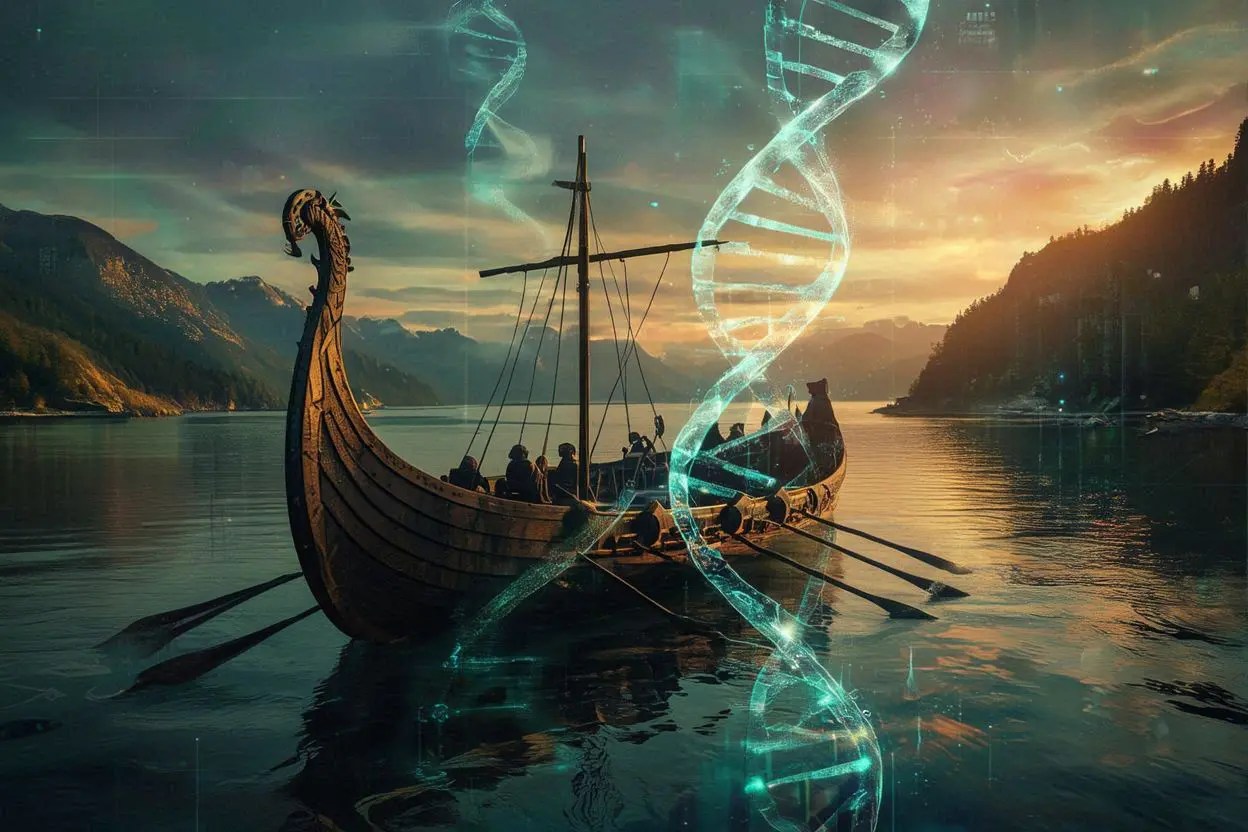
During the Viking Age (750-1050 C.E.), Scandinavians embarked on daring expeditions across Europe, Asia, Africa, and North America. As they ventured forth, they not only exchanged goods, technology, and culture but also genes.
Ancient DNA Reveals the Past
A groundbreaking study published in the journal Cell analyzed nearly 300 ancient human genomes from Scandinavia, spanning a 2,000-year period. This genetic treasure trove has shed new light on the region’s genetic history.
Migratory Patterns and Gene Flow
The study revealed that people migrated to Scandinavia from various regions, including the British and Irish Isles, the eastern Baltic, and Southern Europe. The prevalence of genes from these regions varied across time and space.
British and Irish Ancestry
British and Irish ancestry was widespread across Scandinavia during the Viking Age. This suggests that migrants from these regions may have been Christian missionaries, monks, or enslaved individuals captured by Vikings.
Eastern Baltic Influence
The genetic influence of the eastern Baltic was concentrated in central Sweden and Gotland, a Swedish island in the Baltic Sea. This indicates that people from this region played a significant role in shaping the genetic makeup of these areas.
Southern European Ancestry
Southern European ancestry was found in remains from southern Scandinavia. This suggests that people from this region may have migrated north during the Viking Age, bringing with them their genetic heritage.
Sex-Based Migration
Intriguingly, the study found that migration from some regions appeared to be sex-based. Female arrivals from the eastern Baltic and, to a lesser extent, the British and Irish Isles had a significant impact on the genetic makeup of Viking-age Scandinavia.
Changing Ancestry Patterns
The study also revealed that some ancestries that were prevalent during the Viking Age are less common in modern Scandinavians. This suggests that ancient individuals with non-Scandinavian ancestry contributed less to the current gene pool than expected.
Future Research
The researchers acknowledge that further studies with more genomes are needed to fully understand the reasons behind this decline in non-local ancestry. However, the groundbreaking insights gained from this study have transformed our understanding of the genetic legacy of the Viking Age.
Long-Tail Keywords:
- Genetic history of the Viking Age
- Prevalence of genes from different regions in time and space
- Arrival of diverse foreign genomic ancestries into the Scandinavian Peninsula
- Impact of female arrivals from the east Baltic on the genetic makeup of Viking-age Scandinavia
- Decline of non-local ancestry in modern Scandinavians compared to ancient individuals
