
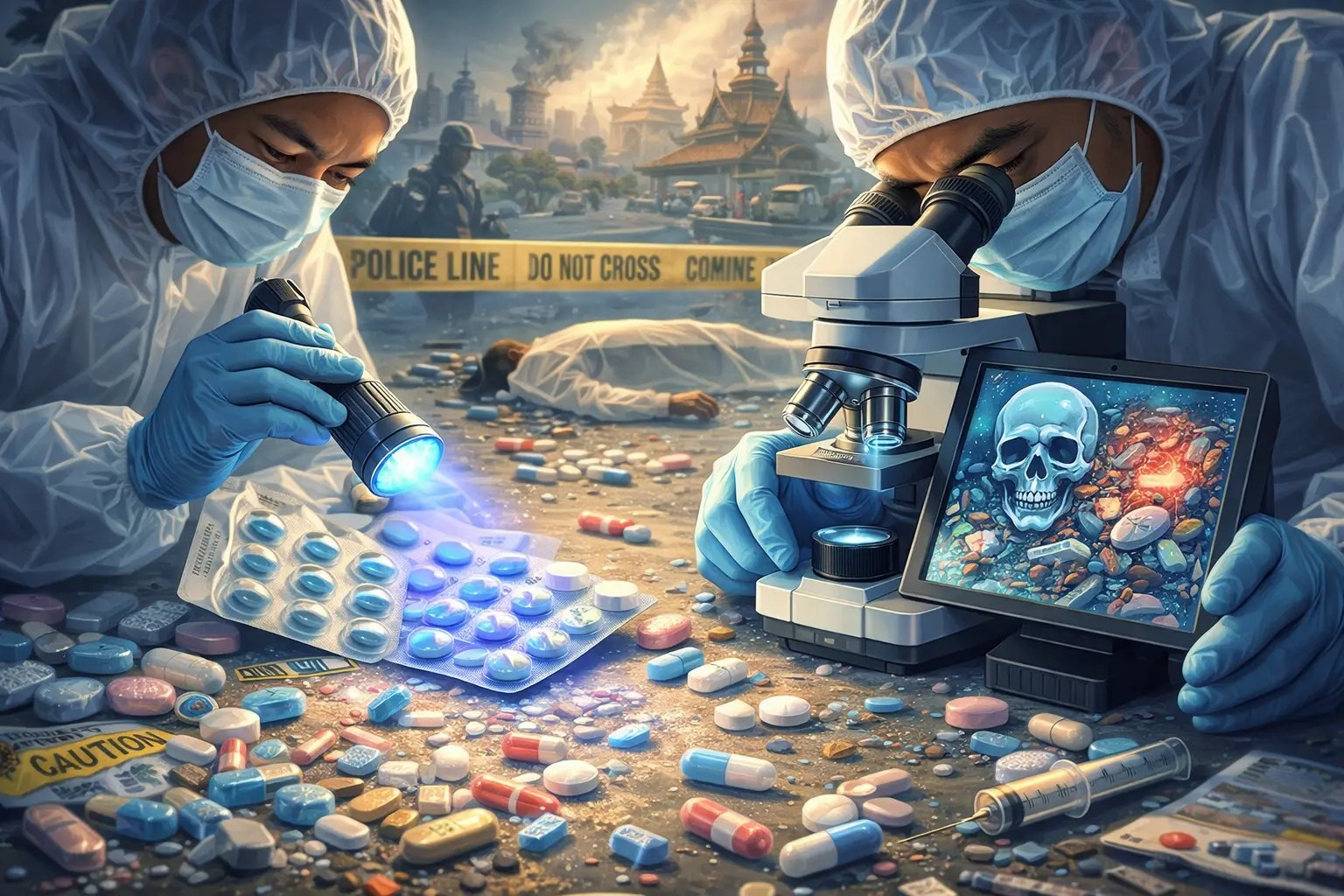
Counterfeit Drugs: A Deadly Threat in Southeast Asia
The Perils of Counterfeit Drugs
Counterfeit drugs pose a grave threat to public health, especially in developing countries like those in Southeast Asia. These fake medications often contain harmful ingredients or lack the active ingredients necessary to treat illnesses effectively. The consequences can be devastating, leading to treatment failure, severe side effects, and even death.
The Case of Counterfeit Artesunate
Artesunate, a powerful antimalarial drug, has been widely counterfeited in Southeast Asia. This has had a significant impact on malaria control efforts, as counterfeit artesunate can lead to drug resistance and treatment failure.
Forensic Investigation: Unmasking the Counterfeiters
To combat the counterfeit drug trade, forensic investigators have employed cutting-edge tools and techniques. One key technique is palynology, the study of pollen and spores. By analyzing pollen samples found in counterfeit drugs, investigators were able to trace their origin to a specific region in southern China.
Hologram analysis was also instrumental in identifying counterfeit artesunate. Counterfeiters had created convincing imitations of genuine holograms, but forensic experts were able to detect subtle differences that distinguished the fakes from the real thing.
The Jupiter Operation: A Model for International Cooperation
In 2005, the Jupiter Operation was launched, bringing together a diverse team of experts from multiple countries. The goal was to track down the sources of counterfeit artesunate and disrupt the trade. The operation successfully identified the region where the counterfeit drugs were being manufactured and led to several arrests.
Challenges and the Way Forward
Despite the successes of the Jupiter Operation, the counterfeit drug trade continues to pose a challenge. Governments, pharmaceutical companies, and international organizations must work together to address this issue.
Key Challenges:
- Corruption and weak border controls
- Lack of resources for medical authorities in developing countries
- Public awareness about the dangers of counterfeit drugs
Steps to Combat Counterfeiting:
- Making high-quality, affordable antimalarials widely accessible
- Providing financial and human resources to medical authorities for drug inspection
- Educating health workers, pharmacists, and the public about drug quality
- Encouraging pharmaceutical companies to report counterfeit products promptly
Conclusion:
The fight against counterfeit drugs is an ongoing battle. By combining the latest forensic techniques with international cooperation, we can work towards eliminating this deadly threat to public health.
