
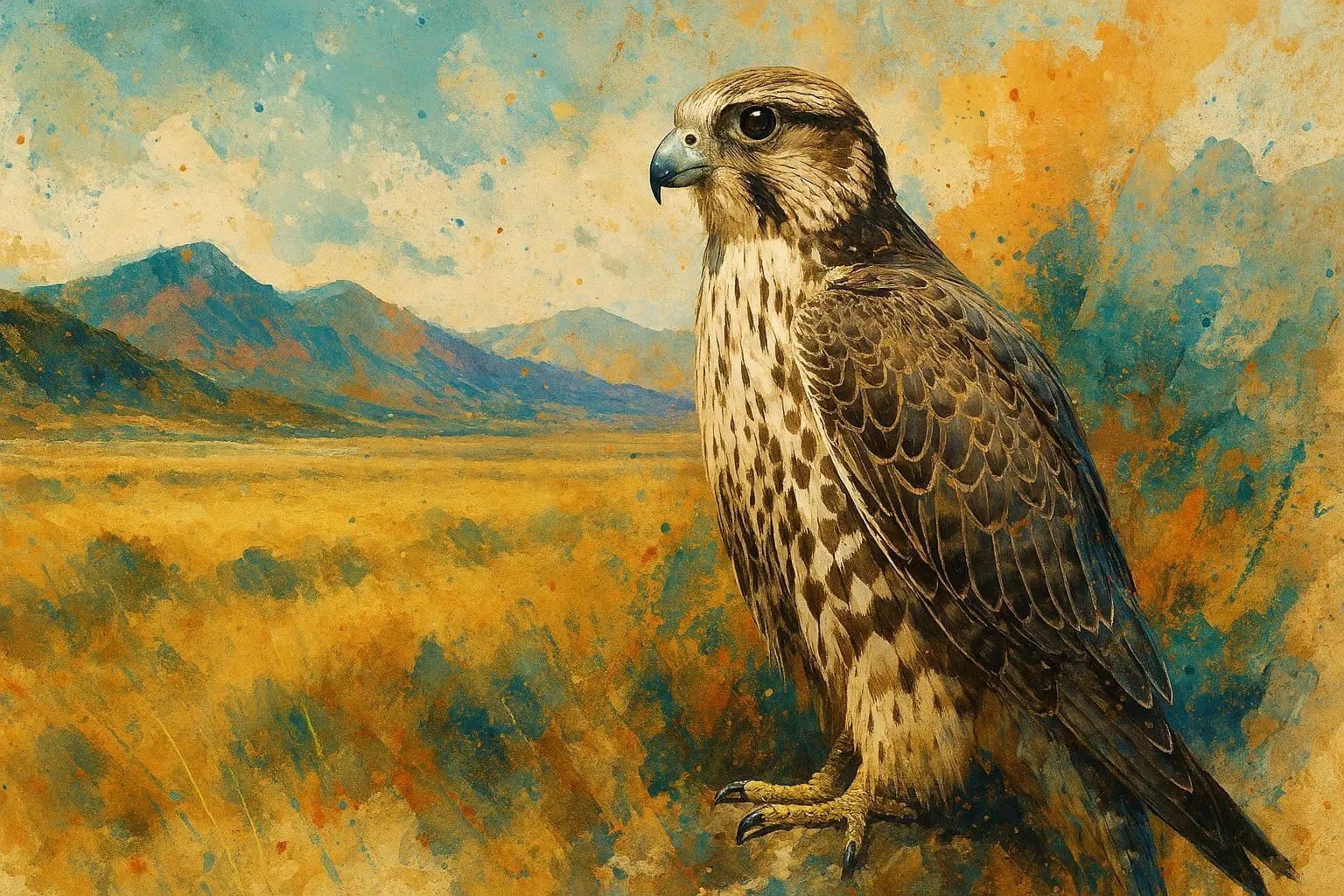
Saving the Saker Falcon: A Biologist’s Mission in Mongolia
The Perilous Plight of the Saker
The saker falcon, once a revered hunting companion in the Middle East, now faces a precarious future. Despite Mongolia’s legal trade, high prices and greed have decimated wild saker populations. Biologist and bird behaviorist David Ellis has made it his mission to aid these magnificent raptors.
Ellis’s Journey: Traversing Mongolia’s Wilds
Ellis’s team embarked on an arduous journey through Mongolia’s vast steppes, deserts, and mountains, censusing saker populations and investigating nearly 200 aeries. Battling relentless winds, treacherous rivers, and raptor attacks, they witnessed the challenges facing saker falcons in the wild.
Cultural Significance in Mongolia
Saker falcons hold a deep cultural significance in Mongolia. Genghis Khan revered them for their hunting prowess, and even today, wrestlers at Naadam, Mongolia’s national games, mimic their movements as a warm-up. However, traditional falconry practices have declined, and respect for the birds remains primarily symbolic.
Conservation Efforts: Building for the Future
Despite the decline in saker numbers, Ellis’s team found hope in the growing number of chicks found in the aeries they built. These structures provide safe nesting sites, aiding in the recovery of saker populations.
Threats and Challenges
Illegal bird trade remains a major threat to saker falcons. The high prices offered by foreign falconers incentivize poaching and smuggling. Habitat loss and degradation also contribute to their decline.
Wildlife Conservation in Mongolia
Ellis’s work highlights the importance of wildlife conservation in Mongolia. The country’s vast and diverse landscapes provide a haven for numerous endangered species, including the saker falcon. Conservation efforts like those led by Ellis are crucial for protecting Mongolia’s rich natural heritage.
A Glimpse of Mongolia’s Beauty
Beyond the conservation mission, Ellis’s journey offered a glimpse into Mongolia’s breathtaking wilderness. Grassy plains dotted with yurts, herds of horses, camels, and yaks painted a vibrant picture of traditional Mongolian life.
Hope for the Future
While saker falcon numbers remain low, Ellis’s efforts and the growing number of chicks in the new aeries provide a glimmer of hope for the future. Continued conservation efforts, including habitat protection and education campaigns, are essential for ensuring the survival of this iconic raptor in Mongolia.
