
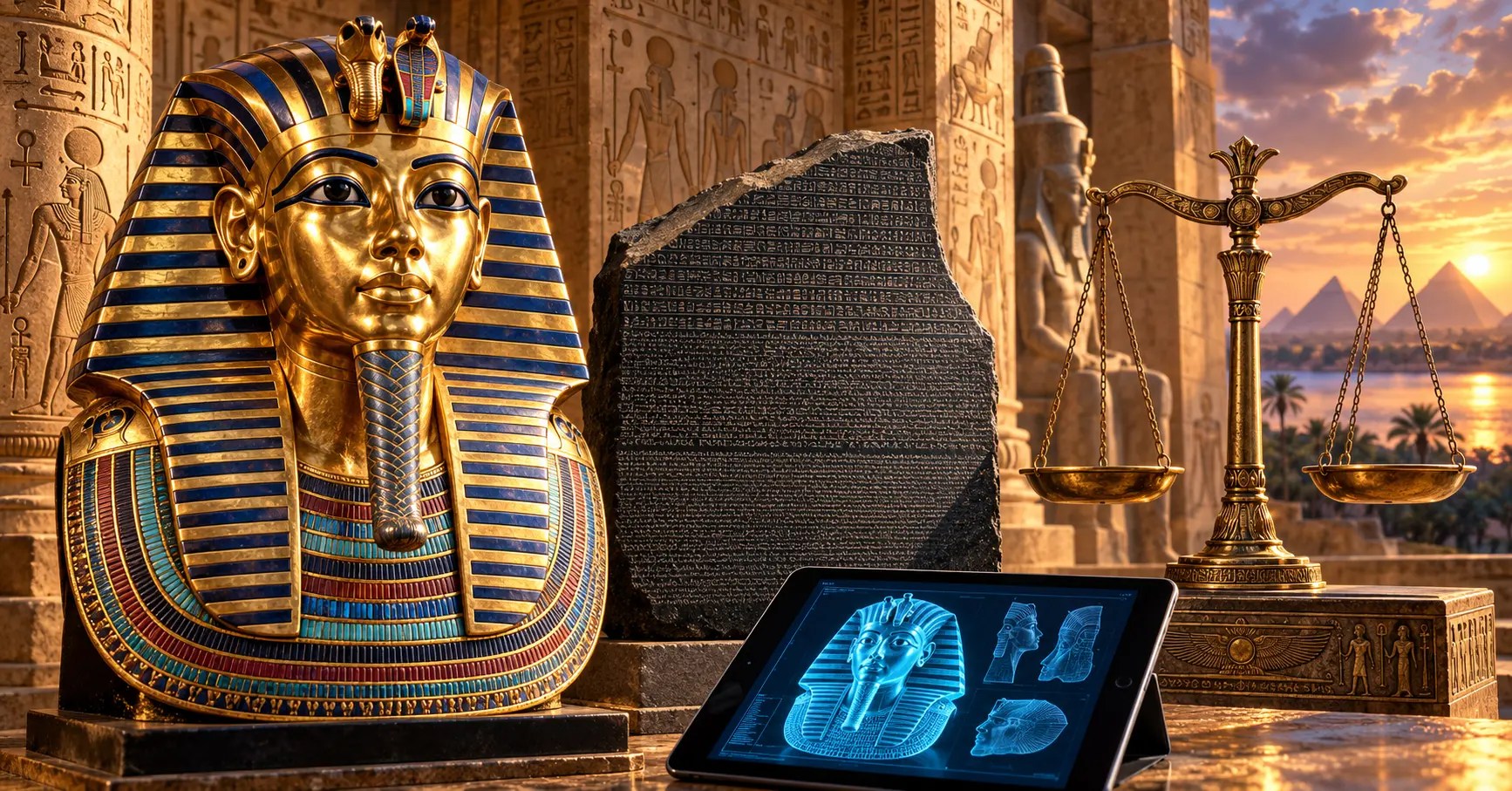
Ancient Egypt’s Treasures: A Journey Through History and Repatriation
Egypt’s Enduring Allure
Egypt’s ancient civilization continues to captivate the world with its iconic monuments, hieroglyphs, and artifacts. From the gleaming gold of Tutankhamun’s death mask to the awe-inspiring pyramids of Giza, Egypt’s legacy has left an indelible mark on human history.
Colonialism and the Acquisition of Artifacts
European colonialism played a significant role in the acquisition of countless Egyptian artifacts. Beginning with Alexander the Great in 332 B.C.E., foreign powers invaded and occupied Egypt, often claiming its treasures as spoils of war. The British, French, and Germans were particularly active in excavating and collecting Egyptian antiquities.
The Role of Museums
Museums across Europe and beyond became repositories for Egypt’s plundered heritage. The British Museum, for example, houses the largest collection of Egyptian artifacts outside of Egypt. These acquisitions helped fuel the study of Egyptology but also raised questions about the ethics of colonialism.
Repatriation Efforts
In recent decades, Egypt has intensified its efforts to repatriate artifacts acquired during the colonial era. Leading the charge is former Minister of Antiquities, Zahi Hawass, who argues that these treasures belong in their homeland. He has launched online petitions and partnered with international organizations to seek the return of key artifacts, including the Rosetta Stone and the bust of Nefertiti.
The Grand Egyptian Museum
Scheduled to open in 2023, the Grand Egyptian Museum (GEM) is poised to become a major cultural destination. It will house the entire collection of artifacts from Tutankhamun’s tomb, along with tens of thousands of other objects from Egypt’s rich history. The GEM is expected to provide a comprehensive overview of ancient Egyptian civilization and showcase the importance of preserving its heritage.
The Rosetta Stone and the Decipherment of Hieroglyphs
The Rosetta Stone, discovered in 1799, played a pivotal role in the decipherment of ancient Egyptian hieroglyphs. French scholar Jean-François Champollion cracked the code in 1822, unlocking the secrets of Egypt’s written language. The Rosetta Stone, now housed in the British Museum, remains a testament to the significance of international collaboration in archaeological research.
Egyptian Perspectives on Repatriation
Egyptians have mixed feelings about the repatriation of artifacts. Some argue that the artifacts serve as ambassadors for Egypt, promoting tourism and cultural understanding. Others believe that the pieces belong in Egypt, where they can be properly preserved and appreciated by the Egyptian people.
Legal and Ethical Considerations
The repatriation of artifacts raises complex legal and ethical questions. Many museums argue that artifacts were acquired legally, even if under questionable circumstances. Others argue that the original acquisition was unethical and that the artifacts should be returned unconditionally.
The Future of Egyptian Heritage
The debate over the ownership and display of Egyptian artifacts is ongoing. As museums and governments grapple with these complex issues, they must consider the historical context, the rights of indigenous peoples, and the importance of preserving cultural heritage for future generations.
Preserving Egypt’s Legacy
The treasures of ancient Egypt bear witness to the ingenuity, artistry, and cultural achievements of one of the world’s oldest civilizations. As the country continues to navigate the challenges of repatriation and cultural preservation, it is essential that Egypt’s rich heritage is protected and celebrated for generations to come.
