Scientists Can Now Extract Human DNA from the Environment, Raising Privacy Concerns
Environmental DNA: A Powerful Tool with Ethical Implications
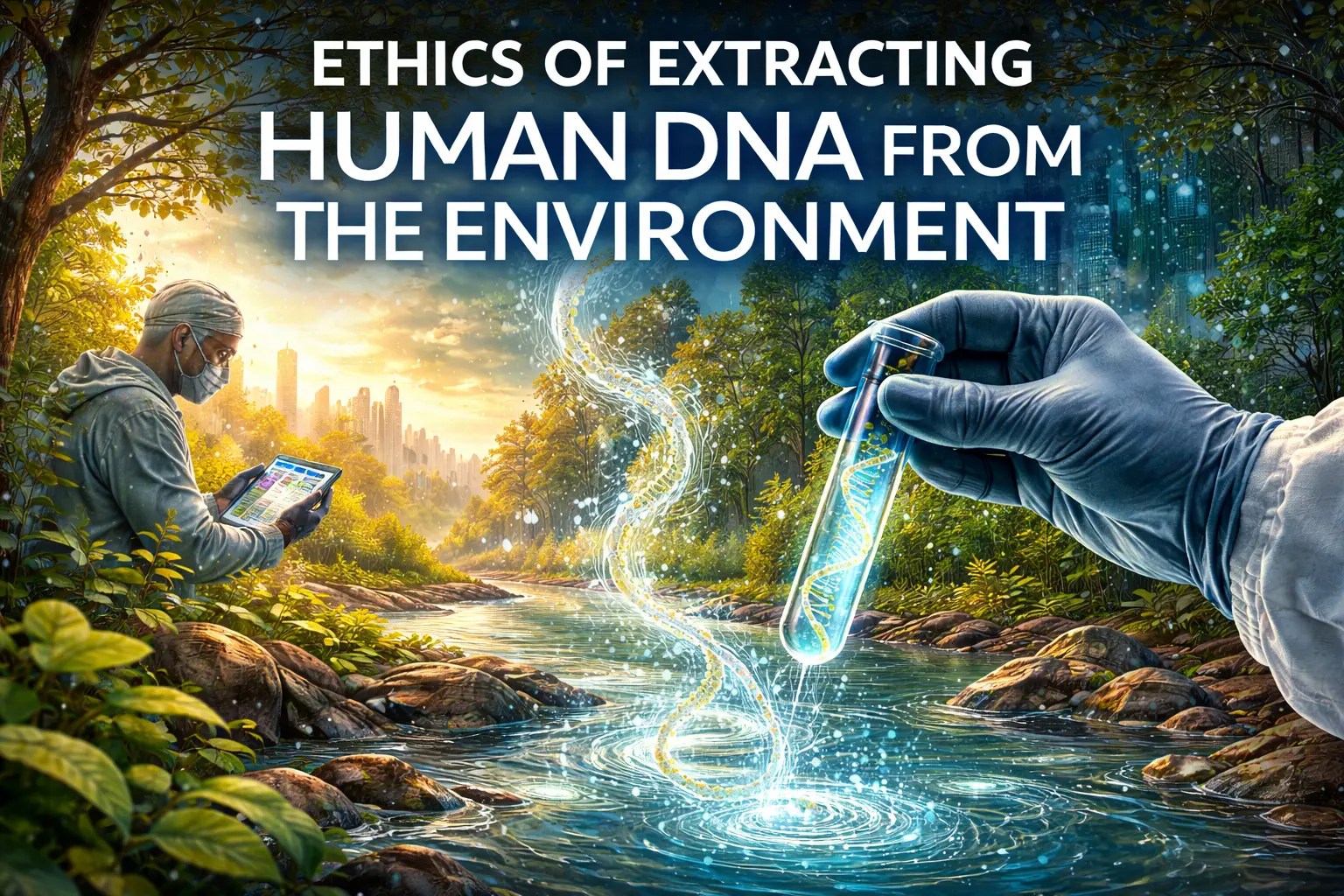
Environmental DNA (eDNA) is a groundbreaking technology that allows scientists to collect genetic information from the environment, including air, sand, and water. This has revolutionized the study of wildlife, enabling researchers to monitor elusive and endangered species without disturbing them. However, the use of eDNA with human DNA raises significant ethical concerns about privacy and consent.
eDNA is shed by humans through bodily fluids and skin, leaving behind microscopic fragments in the environment. Researchers have discovered that these fragments contain a wealth of genetic information, including mutations linked to diseases such as autism, diabetes, and cardiac conditions. They can even reveal a person’s genetic ancestry and demographic characteristics.
Potential for Surveillance and Malicious Use
The ability to collect human DNA from the environment has raised concerns about its potential for surveillance. Authorities could use eDNA to track individuals, particularly those from minority groups or with genetically driven disabilities. It could also be misused to implicate someone in a crime, despite the limitations of eDNA analysis.
In China, for example, authorities have conducted genetic tracking of ethnic minorities, raising backlash from global scientists. eDNA could advance these techniques or reveal genetic information from populations without their consent.
Ethical Considerations
The ethical implications of eDNA use are complex. On the one hand, it has the potential to advance scientific research and public health initiatives. On the other hand, it raises concerns about privacy violations and the potential for misuse.
Experts emphasize the need for transparent and ethical guidelines regarding the collection and use of eDNA. Policymakers and scientists must engage in robust discussions to balance the benefits of this technology with the protection of individual privacy and human rights.
Balancing Privacy and Research
Finding the right balance between privacy expectations and scientific research is crucial. It is essential to develop regulations that protect individuals’ privacy while allowing researchers to continue using eDNA for legitimate purposes.
Computational biologist Yves Moreau suggests that we should not panic but rather engage in a thoughtful discussion about the ethical implications of eDNA. He believes that we can strike a delicate balance that allows research to progress without sacrificing our privacy.
Limitations and Challenges of eDNA Analysis
While eDNA is a powerful tool, it is important to understand its limitations and challenges. Scientists do not yet fully comprehend how eDNA moves, degrades, or interacts with the environment. This makes it difficult to accurately interpret eDNA data and assess its reliability.
Additionally, eDNA analysis can be expensive and time-consuming. It requires specialized equipment and expertise, which may limit its widespread use.
Conclusion
The ability to collect human DNA from the environment has opened up new possibilities for scientific research and public health. However, it also raises important ethical and privacy concerns. As this technology continues to advance, it is essential for policymakers, scientists, and the public to engage in thoughtful discussions and develop clear guidelines to ensure that eDNA is used responsibly and ethically.
