
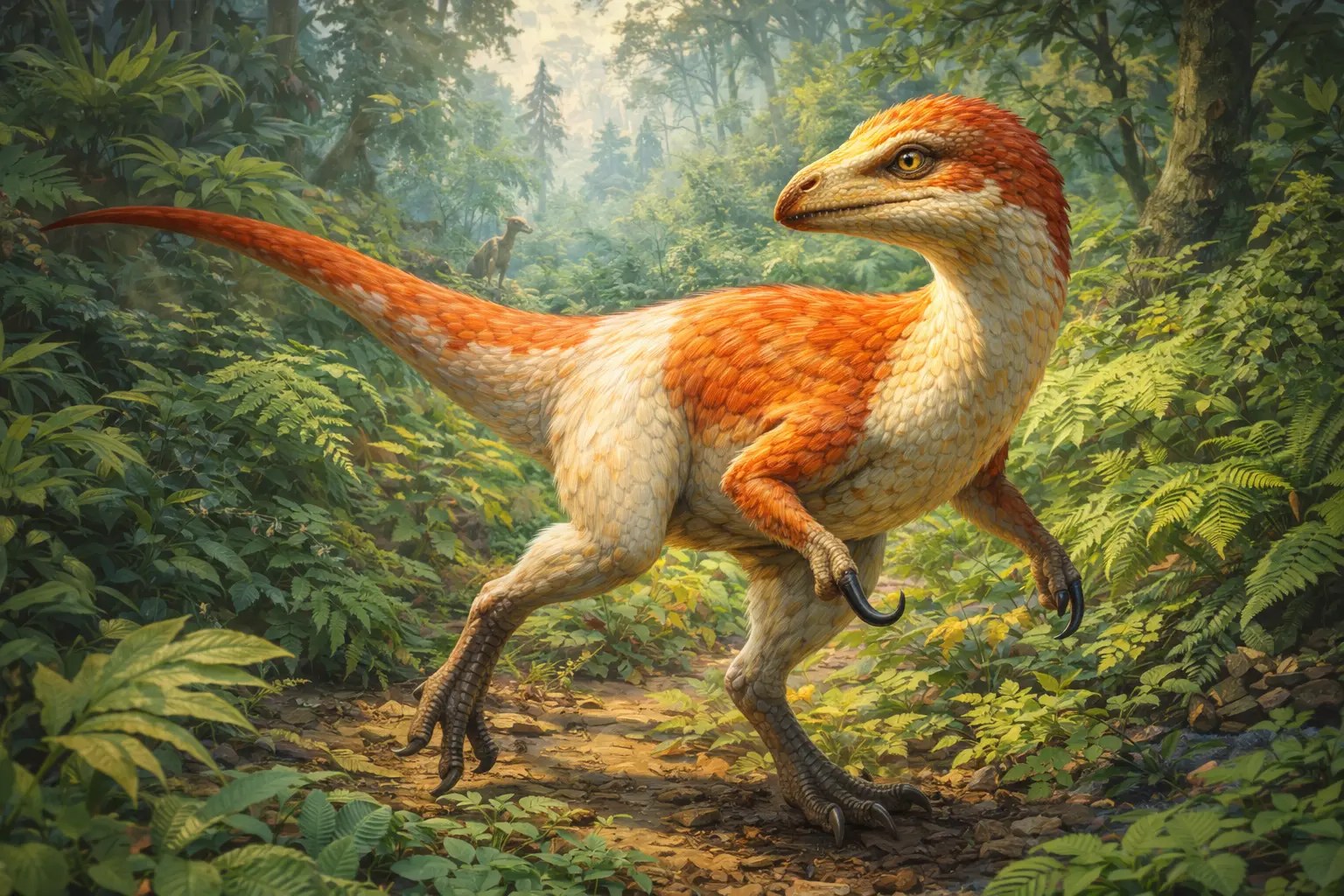
Linhenykus: The Unique One-Fingered Dinosaur
Discovery and Description
In 1993, paleontologists unearthed Mononykus, a peculiar dinosaur that challenged their understanding of dinosaur anatomy. Mononykus possessed the slender build of ostrich-like dinosaurs but had distinct characteristics, including stubby, one-clawed hands. These features placed it in a new group called the alvarezsaurs.
Since then, numerous alvarezsaur species have been discovered. The latest addition is Linhenykus monodactylus, named after its unique anatomy. Its partial skeleton, found in Inner Mongolia, dates back 84 to 75 million years. Despite its small size, Linhenykus stands out due to its heavily built forearms.
One-Fingered Adaptation
Unlike other alvarezsaurs, which had tiny, vestigial fingers alongside their primary finger, Linhenykus possessed only one functional finger. This single, robust digit was tipped with a powerful claw. The absence of additional fingers is a remarkable specialization that distinguishes Linhenykus from its relatives.
Evolutionary Enigma
The loss of vestigial fingers in Linhenykus is not a result of a gradual evolutionary trend among alvarezsaurs. Instead, it represents a pattern of mosaic evolution. Linhenykus shares ancestral traits with early alvarezsaurs but also exhibits unique specializations not seen in later species like Mononykus.
Forelimb Function and Feeding Habits
The unique forelimbs of alvarezsaurs have puzzled scientists. The favored hypothesis suggests that they used their claws for digging into ant and termite nests. This theory is supported by the similarity of their claws to those of modern anteaters and pangolins. However, no direct evidence of alvarezsaur predation on insects has been found.
Archaic and Specialized Traits
Linhenykus exhibits both archaic and specialized characteristics. Its one-fingered forelimbs represent a specialization not seen in any other alvarezsaur. Conversely, it retains a suite of ancestral traits, such as a long, slender neck and a relatively primitive skull. This mosaic pattern of evolution suggests a complex evolutionary history for alvarezsaurs.
Future Research Directions
Further discoveries and analyses will shed light on the evolutionary relationships and behavior of alvarezsaurs. Scientists continue to explore the origin and function of their unique forelimbs, as well as their ecological role in ancient ecosystems. The discovery of Linhenykus has provided新たな insights into the diversity and evolutionary dynamics of this enigmatic group of dinosaurs.
