
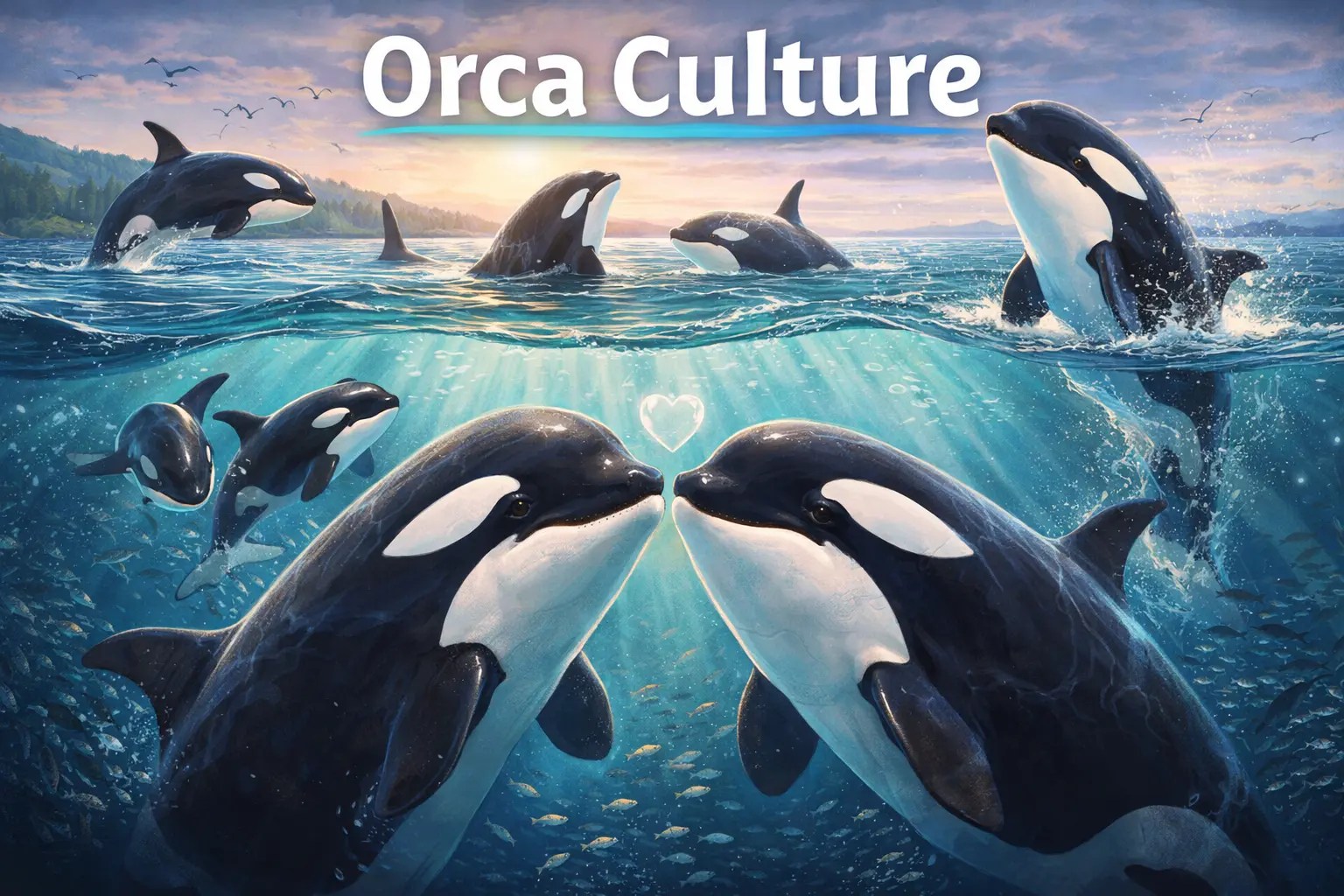
Orca Culture: A Complex Tapestry of Learned Behaviors
Orca Communication: A Symphony of Dialects
Orcas possess a sophisticated system of communication that varies significantly among groups. They use distinctive calls and whistles to convey a range of messages, from danger alerts to social interactions. These vocalizations are akin to different languages, with each clan and pod having its own unique dialect.
Social Structure: Matrilineal Bonds and Cultural Transmission
Orcas live in tight-knit matrilineal groups led by older females. These grandmothers and mothers play a crucial role in transmitting cultural knowledge and traditions to younger generations. Orcas learn from one another through observation and imitation, passing down specific behaviors and preferences that shape their way of life.
Food Preferences: A Matter of Taste and Tradition
Food preferences among orcas vary dramatically from group to group. Resident orcas primarily target chinook and chum salmon, while transient orcas hunt marine mammals such as seals and porpoises. Offshore orcas have a unique affinity for sharks, while some Antarctic populations prefer penguins or minke whales. These preferences are often passed down through generations, as mothers share meals with their offspring.
Playful Behaviors: From Rubbing Beaches to Greeting Ceremonies
Orcas exhibit a diverse range of playful behaviors that differ among groups. Some resident killer whales in British Columbia frequent “rubbing beaches” where they scrape along pebbly rocks. Others engage in “spyhopping,” bobbing into the air to get a better look at the world above. The Salish Sea residents are known for their particularly exuberant behavior, including tail wagging, pectoral fin slapping, and elaborate “greeting ceremonies.”
Cultural Norms: Benefits and Challenges
Adhering to cultural norms can have both benefits and challenges for orcas. While their social structure provides stability and a sense of belonging, it can also limit their ability to adapt to changing environmental conditions. For example, the Salish Sea residents’ strict mating preferences have led to an inbred population and a decline in their numbers.
The Role of Culture in Shaping Orca Society
Culture plays a profound role in shaping orca society. It influences their communication, social structure, food preferences, and playful behaviors. Orcas learn from one another, passing down traditions and knowledge that have been accumulated over generations. This cultural transmission ensures the survival and well-being of their communities.
Implications for Conservation and Management
Understanding orca culture is essential for effective conservation and management efforts. By recognizing the importance of cultural diversity and its influence on orca behavior, scientists and policymakers can develop strategies that support the health and resilience of these magnificent creatures.
Additional Information:
- Orca networks are educational organizations that promote awareness and understanding of orca culture and conservation.
- Researchers continue to study the complex and fascinating world of orca culture, uncovering new insights into their social dynamics and the role of culture in shaping their behavior.
