
How to Cultivate and Nurture Wintersweet: A Comprehensive Guide
Wintersweet: A Fragrant Winter Wonder
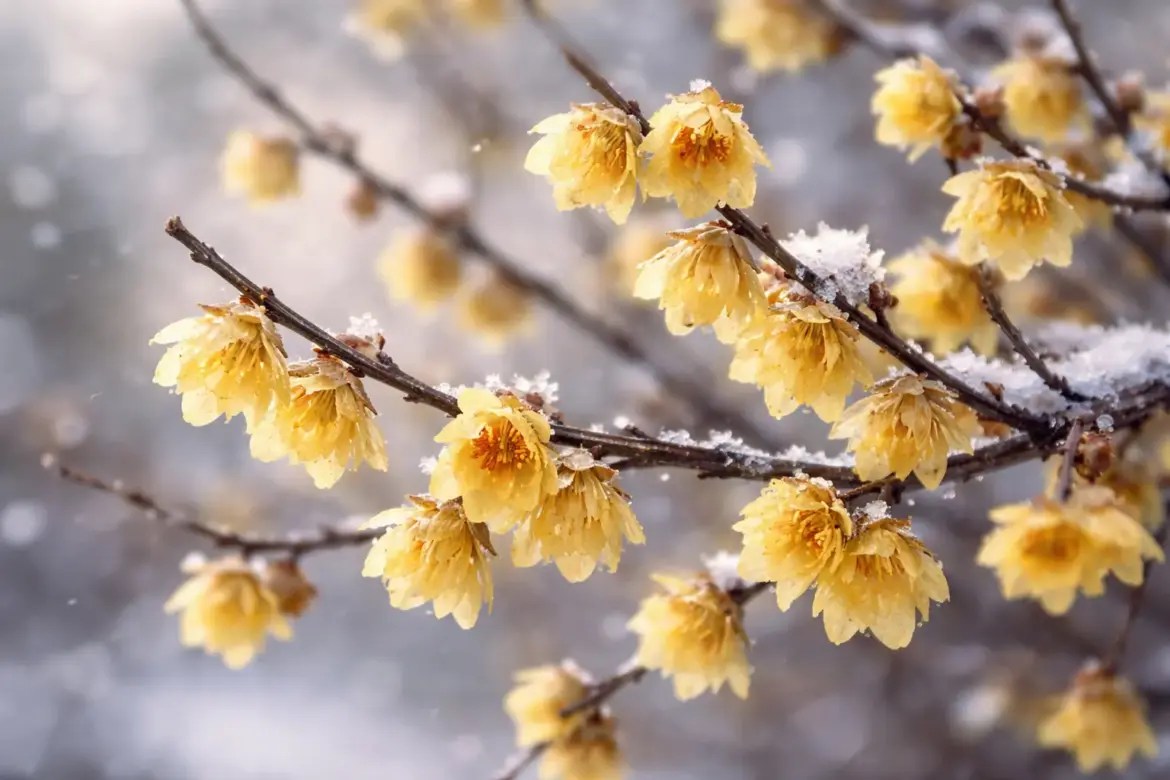
Wintersweet, a captivating deciduous shrub (scientific name: Chimonanthus praecox), captivates gardeners with its bursts of vibrant yellow flowers adorning bare branches during the winter season. Native to Asia, this slow-growing shrub thrives in climates with moderate winters.
Cultivation Requirements
- Light: Wintersweet flourishes in full sun locations to promote abundant blooms.
- Soil: Thrives in moist, well-drained soil with a wide pH range (acidic, neutral, or alkaline).
- Water: Water deeply and regularly, especially during hot, dry spells. Avoid overwatering.
- Temperature and Humidity: Hardy in USDA zones 7-9, wintersweet can withstand cold temperatures. It prefers moderate humidity levels.
- Fertilizer: Optional but beneficial for enhancing flowering. Use a balanced liquid fertilizer (5-30-5) according to product instructions.
Varieties of Wintersweet
- ‘Grandiflorus’: Showcases sweetly scented, butter-yellow flowers with striking maroon centers.
- ‘Luteus’: Features fragrant gold flowers and dark green foliage.
- Chimonanthus nitens: A related species with evergreen leaves and white or pale yellow flowers.
Pruning and Maintenance
- Prune established wintersweet shrubs each winter after blooming.
- Remove the oldest stems to near ground level to foster new growth and maintain a manageable size.
- Avoid excessive shaping to preserve the shrub’s natural cascading form.
Propagation Techniques
- Stem Cuttings: Take 5-inch stem cuttings with nodes and dip them in rooting hormone. Plant in seed-starting mix and keep moist until roots form.
- Layering: Bend a stem to the ground, secure it in the soil, and stake the other end. Roots will develop, and you can separate the new plant.
Growing Wintersweet from Seed
- Sow mature seeds in small pots filled with potting mix.
- Place pots in an outdoor cold frame for germination and sprouting.
- Be patient, as seed-sown wintersweet can take 10-15 years or more to flower.
Container Culture
- While not common, wintersweet can be grown in containers in its early stages.
- Use a large, well-draining container with standard potting mix.
- Position the container in a sheltered location for overwintering.
Overwintering Care
- Young wintersweet plants may require protection from cold temperatures with a thick layer of mulch around the root zone.
- In zones 6 and 7, a burlap shield can provide additional protection.
- Mature shrubs typically become hardy after a few years and can withstand freezing temperatures without extra care.
Encouraging Blooms
- Adequate Sunlight: Ensure ample sunlight to support bud development.
- Proper Watering: Water regularly to prevent drought stress, which can hinder flowering.
- Yearly Pruning: Regular pruning removes old stems and stimulates new growth, promoting abundant blooms.
- Protection from Frost: Untimely frost can damage flower buds, leading to poor flowering. Plant wintersweet in sheltered spots in colder climates.
Care After Blooming
- Remove the oldest stems to the ground after flowering.
- Remove any diseased or crossing stems to promote healthy growth and flowering the following season.
Troubleshooting Common Issues
- Sparse and Leggy Growth: Perform severe rejuvenation pruning by removing up to a third of older stems after flowering.
- Wilting and Yellowing Leaves: Overwatering can lead to root rot. Reduce watering frequency and check soil drainage.
Landscaping Applications
- Fragrant Ambiance: Plant wintersweet along paths, near doors, or around gateways to enjoy its sweet fragrance.
- Winter Landscape Interest: The yellow blooms create a stunning display when backlit by the winter sun.
- Specimen Shrub: Wintersweet’s unique flowering habit makes it a captivating specimen plant for open gardens or shrub borders.
- Winter Garden Companion: Pair wintersweet with other winter-blooming plants like winter hazel, dwarf conifers, or red twig dogwood for a vibrant winter landscape.
Longevity and Fall Color
- Wintersweet shrubs can live for several decades with proper care.
- Regular pruning helps maintain vitality.
- While its main attraction is its winter flowers, wintersweet’s fall foliage also displays an attractive yellow hue.