
0
How to Bleed a Radiator: A Step-by-Step Guide to Improve Heating Efficiency
What is Radiator Bleeding?
Bleeding a radiator is the process of releasing trapped air from the system. Air can accumulate in radiators over time, preventing hot water from circulating properly and reducing the overall heat output.
Why is Bleeding Radiators Important?
Bleeding radiators is an essential maintenance task that should be performed annually to ensure your heating system operates efficiently. It helps:
- Improve heat distribution throughout the home
- Reduce energy consumption
- Extend the lifespan of your heating system
When to Bleed Radiators
It’s recommended to bleed radiators at the beginning of the heating season, or more frequently if you notice:
- Cold or lukewarm radiators
- Radiators that are significantly warmer at the base than at the top
- Hissing or gurgling noises coming from the radiators
Safety Precautions
- Always turn off the central heating system or boiler before bleeding radiators.
- Allow the radiators to cool completely before starting.
- Wear work gloves to protect your hands from hot water.
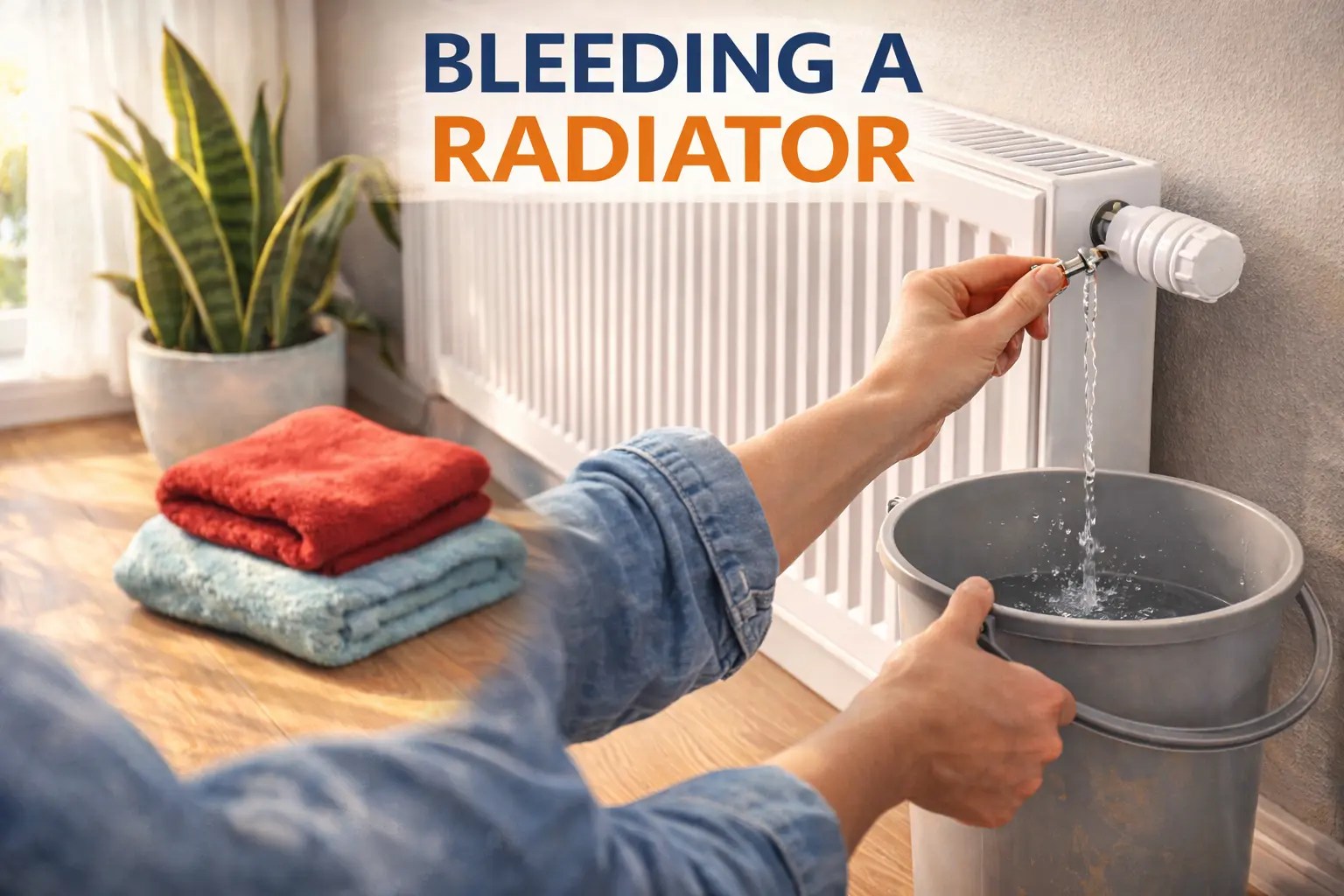
- Have a bucket and towels on hand to catch any escaping water.
Materials and Tools
- Radiator key (or flathead screwdriver)
- Bucket
- Towels
- Work gloves
Step-by-Step Instructions
1. Locate the Bleed Valve
- Remove the radiator cover (if present) to access the bleed valve.
- The bleed valve is typically located at the top of one side of the radiator.
2. Open the Bleed Valve
- Using a radiator key or flathead screwdriver, turn the bleed valve counterclockwise about half a turn.
- Air will escape with a hissing sound.
- Allow a small amount of water to drain into the bucket.
3. Secure the Bleed Valve
- Once a steady stream of water flows from the bleed valve, tighten it clockwise using the radiator key.
4. Repeat the Process
- Move to the next radiator and repeat steps 1-3.
- Start with the radiator furthest from the boiler on the lowest floor and work your way up.
5. Test the Heat
- Turn the heating system back on.
- Check if the radiators are producing heat evenly.
Troubleshooting
Do you bleed a radiator when the heat is on or off?
- Always bleed radiators when the heating system is off and the radiators are cool.
How often do I need to bleed my radiators?
- It’s recommended to bleed radiators at least once a year.
How do you know when the radiator is fully bled?
- When a steady stream of water flows from the bleed valve.
Do I need a radiator key?
- You can use a flathead screwdriver instead of a radiator key.
How do I know if I have a water or steam radiator?
- Water radiators have two pipes connected, while steam radiators have one pipe.
Additional Tips
- Bleed all the radiators in your home at the same time for optimal results.
- If you have a steam radiator with a plugged air vent, try clearing it with a thin wire or needle. If that doesn’t work, contact a professional.
- If your boiler pressure is too low after bleeding the radiators, you may need to repressurize the system. Refer to your boiler manual for instructions.
By following these steps and practicing regular maintenance, you can ensure your radiators operate efficiently and keep your home warm and comfortable throughout the winter.
