
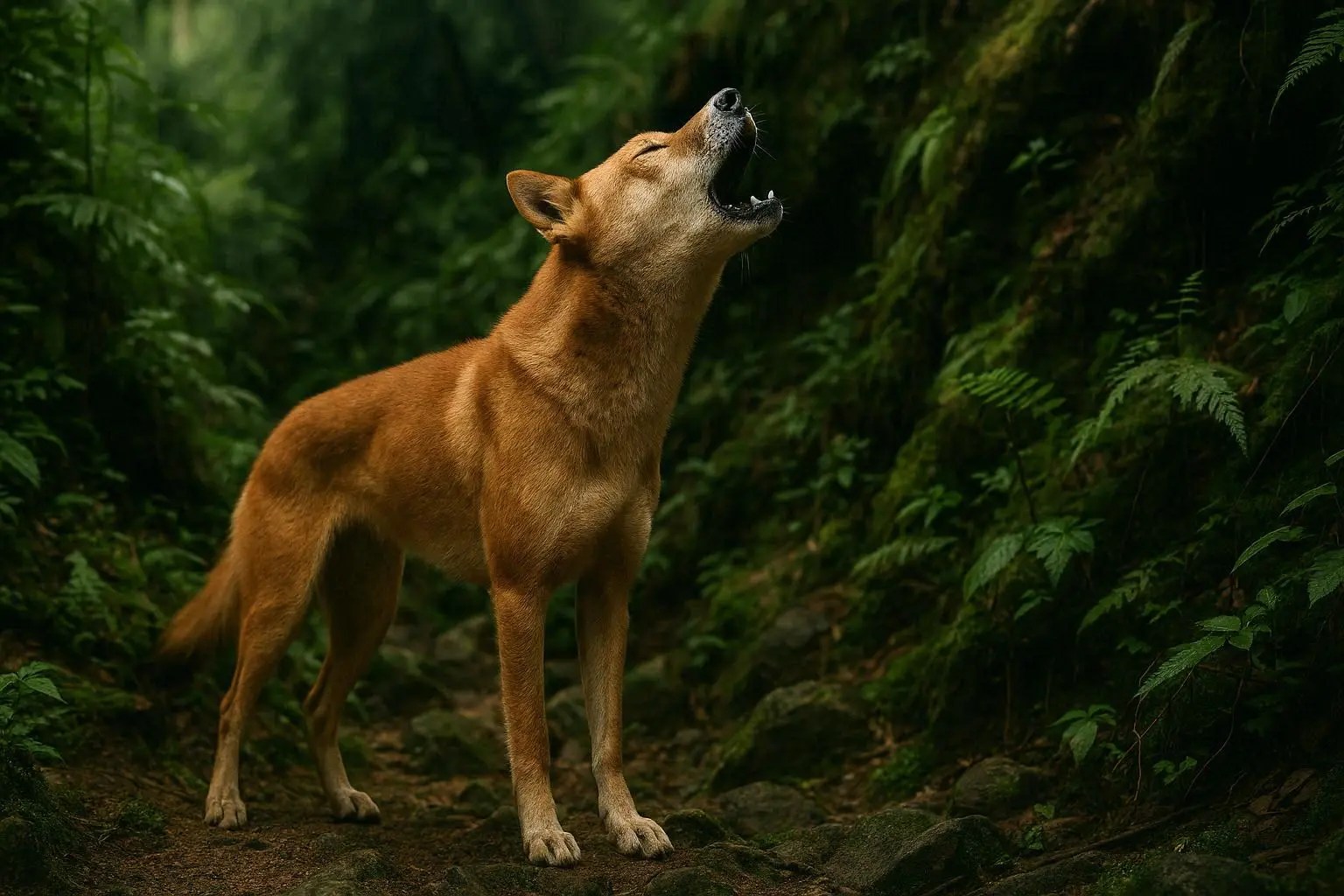
New Guinea Singing Dogs Rediscovered in the Wild
Rediscovering a Lost Species
For decades, the New Guinea singing dog was believed to be extinct in the wild. However, a new genetic study has confirmed that a population of these unique dogs still exists in the highlands of Papua New Guinea.
The New Guinea singing dog is known for its distinctive howl, which earned it its name. It is closely related to the Australian dingo and domestic dogs, but it has a unique genetic makeup that sets it apart.
Expedition into the Wild
In 2016, an expedition led by James McIntyre, president of the New Guinea Highland Wild Dog Foundation, trekked into the rugged terrain surrounding the Grasberg Mine in Papua New Guinea. The team collected photographs and fecal samples of wild dogs that resembled the New Guinea singing dog.
Genetic Analysis
In 2018, the researchers returned to collect blood samples from three of the wild dogs. These samples were used to sequence the dogs’ genomes and compare them with the DNA of captive New Guinea singing dogs and other dog breeds.
The genetic analysis revealed that the highland wild dogs are indeed a surviving population of New Guinea singing dogs. Crucially, the wild population is much more genetically diverse than the captive population, which descended from just eight individuals and is severely inbred.
Conservation Implications
The rediscovery of the wild New Guinea singing dog population has significant implications for conservation. The genetically diverse wild population provides a valuable opportunity to reintroduce original genetics into the captive population and enhance its long-term survival.
Elaine Ostrander, a geneticist at the U.S. National Human Genome Research Institute and co-author of the study, highlights the importance of the wild dogs for conservation biology. “It gives us a fantastic opportunity to reintroduce the original genetics of these dogs into this conservation population.”
Insights into Dog Domestication
The genome of the wild singing dogs also offers insights into the history of dog domestication. The dogs’ closest domesticated relatives are East Asian breeds, including the chow chow, Akita, and shiba inu. This suggests that the singing dog may have split off from the ancestors of these breeds thousands of years ago when humans and their canine companions migrated to Oceania.
Ostrander notes that the genome of the wild singing dogs provides a “missing piece that we didn’t really have before,” which may help clarify the complex history of dog domestication.
Ongoing Research and Conservation Efforts
Further research is needed to better understand the ecology, behavior, and genetic diversity of the wild New Guinea singing dog population. Conservation efforts are underway to protect the dogs and their habitat, ensuring their survival for future generations.
The rediscovery of the New Guinea singing dog is a testament to the resilience of nature and the importance of ongoing conservation efforts. These unique dogs, once thought to be lost forever, have been found again, offering valuable insights into the history and diversity of the canine world.
