
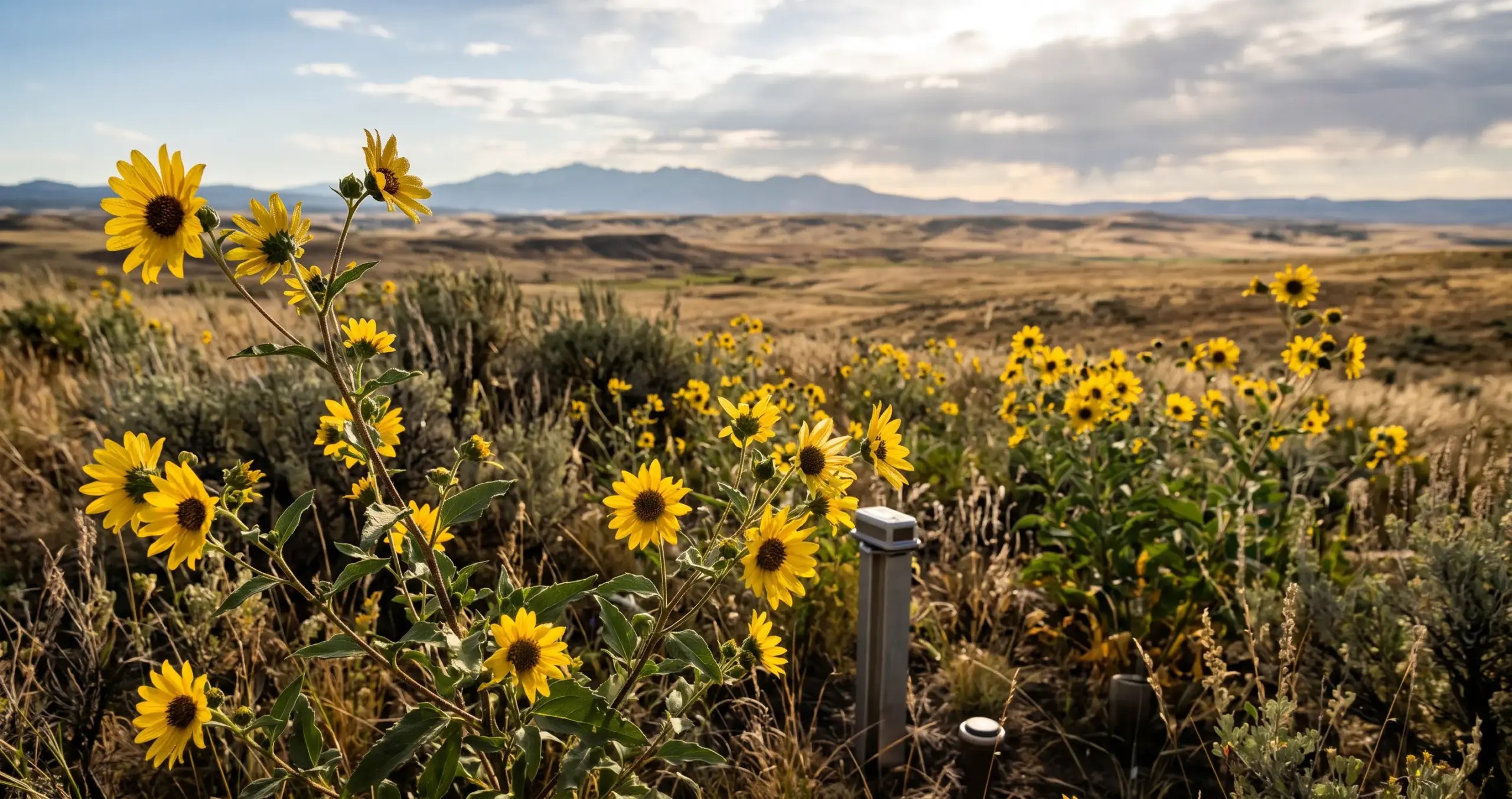
Scientists Seek Wild Sunflowers to Save Commercial Crops from Climate Change
Climate Change Threatens Commercial Sunflower Production
Sunflowers are a valuable global crop, grown for the oil their seeds produce. However, climate change poses a significant threat to commercial sunflower production, as it can lead to droughts, floods, and abrupt temperature swings that can damage crops.
Wild Sunflowers Offer Genetic Diversity for Resilience
In response to this threat, scientists are turning to wild sunflowers for genetic diversity that could help commercial varieties survive the challenges of climate change. Wild sunflowers have evolved over centuries to adapt to a wide range of environmental conditions, including extreme weather events.
Collecting and Preserving Wild Sunflower Seeds
To collect wild sunflower seeds, scientists venture into the hills and roadsides of North America, where these plants thrive. They use garden gloves and paper lunch bags to gather blooms, which are then labeled and cataloged. The seeds are sent to laboratories for testing and preservation in seed banks.
Developing Robust and Disease-Resistant Varieties
Once collected and cataloged, the seeds become genetic stock for plant breeders. Breeders use this genetic diversity to develop new sunflower varieties that are more robust and disease-resistant. These improved varieties can better withstand the challenges of climate change and ensure a sustainable future for sunflower production.
Strategies for Collecting and Preserving Wild Sunflower Seeds
To effectively collect and preserve wild sunflower seeds, scientists employ various strategies:
- Targeted Collection: Scientists identify specific areas where wild sunflowers are known to thrive and focus their collection efforts in those locations.
- Seasonality: The timing of collection is crucial. Seeds are typically collected in the fall, when they are mature and ready for dispersal.
- Diversity Sampling: Scientists collect seeds from a wide range of wild sunflower populations to capture the maximum genetic diversity.
- Proper Handling: Seeds are handled with care to prevent damage and maintain their viability.
The Role of Genetic Diversity in Enhancing Sunflower Resilience
Genetic diversity is essential for the resilience of sunflower crops. By incorporating genes from wild sunflowers into commercial varieties, breeders can enhance their ability to withstand environmental stresses, such as:
- Drought Tolerance: Wild sunflowers have evolved mechanisms to survive in arid conditions, such as deep root systems and water-conserving leaves.
- Flood Resistance: Some wild sunflower populations have adapted to tolerate flooding by developing buoyant seed heads that can float on water.
- Temperature Tolerance: Wild sunflowers can withstand extreme temperatures, both hot and cold, making them valuable sources of genes for heat and cold tolerance.
Partnerships between Scientists and Plant Breeders
Collaboration between scientists and plant breeders is crucial in the quest to improve sunflower varieties. Scientists provide the genetic resources and knowledge, while breeders apply that knowledge to develop new and improved varieties that meet the demands of a changing climate.
The Importance of Seed Banks in Preserving Plant Genetic Diversity for Future Agriculture
Seed banks play a vital role in preserving the genetic diversity of wild sunflowers and other plant species. By storing seeds under controlled conditions, seed banks ensure that these valuable genetic resources are available for future generations of scientists and breeders.
Conclusion
The efforts of scientists and plant breeders to harness the genetic diversity of wild sunflowers hold great promise for the future of sunflower production. By incorporating genes from these resilient plants into commercial varieties, we can create sunflowers that are better equipped to withstand the challenges of climate change and continue to provide a valuable source of food and oil for generations to come.
