
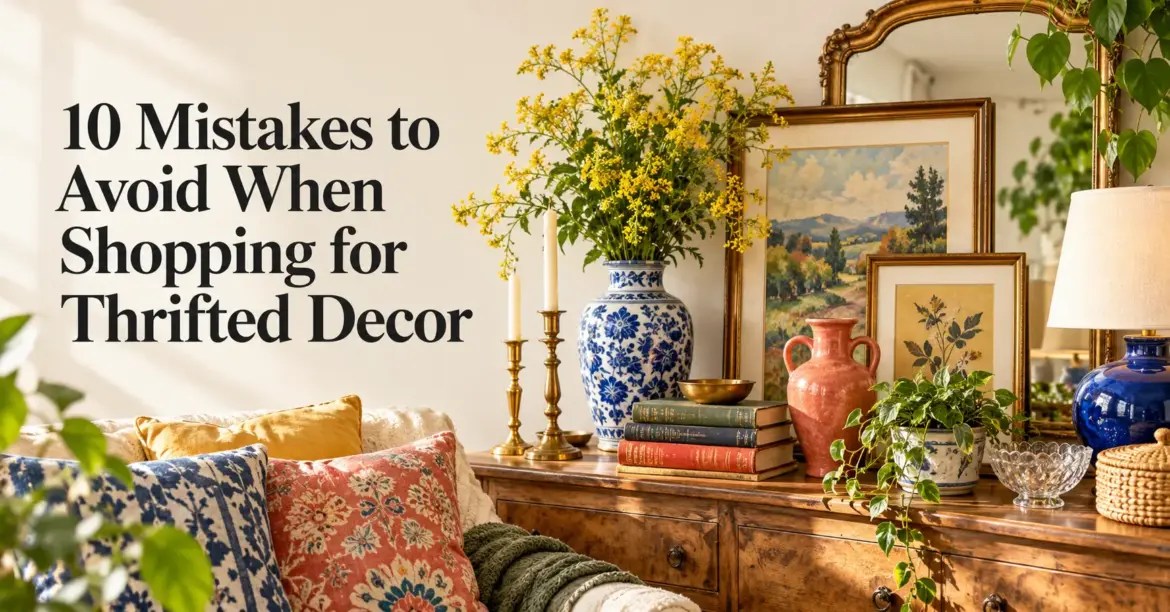
10 Mistakes to Avoid When Shopping for Thrifted Decor
1. Purchasing Items Without Knowing Whether They Will Fit
Before you fall in love with a unique piece of furniture at a thrift store, take a moment to consider whether it will actually fit in your home. Measure the space where you plan to put it and compare it to the dimensions of the item. This will help you avoid the hassle of bringing home a bulky piece that doesn’t fit or throws off the balance of your room.
2. Not Factoring in the Cost of Reupholstery
If you’re considering buying a chair or sofa with the intention of reupholstering it, be aware that this can be a costly process. The price of reupholstery varies depending on the size and condition of the piece, as well as the fabric you choose. It’s a good idea to research upholstery costs in your area before you make a purchase, so you can factor this expense into your budget.
3. Buying Items Solely Because They’re a Great Deal
It’s easy to get caught up in the excitement of a thrift store find, especially if it’s a great deal. However, it’s important to resist the urge to buy items just because they’re cheap. If you don’t truly love an item or it doesn’t fit your home decor style, it’s best to leave it behind. Otherwise, you may end up with a cluttered home filled with things you don’t really want.
4. Feeling Locked Into a Specific Era
When decorating with vintage pieces, don’t feel like you have to stick to one particular era. Mixing and matching different styles can create a more eclectic and interesting look. Don’t be afraid to experiment with combining pieces from different decades or even centuries.
5. Buying Broken Items
Unless you have the skills and tools to fix a broken item, it’s best to leave it behind. There’s no shortage of preloved items in good condition out there, so there’s no need to settle for something that’s damaged.
6. Not Doing Research Ahead of Time
Before you head out to a thrift store or estate sale, do some research online to get an idea of what you’re looking for. This will help you avoid impulse purchases and make more informed decisions. If you’re interested in a higher-end piece, do a Google image search to make sure it’s authentic.
7. Not Thinking Outside the Box
Don’t feel limited to using secondhand items for their intended purpose. A vintage vase can be repurposed as a utensil holder, while an antique egg cup can make a perfect jewelry catchall. Get creative and find new ways to use your thrifted finds.
8. Being Afraid to Shop Secondhand
Don’t let the fear of buying used items hold you back from enjoying the many benefits of thrifting. Secondhand shopping is a great way to find unique and affordable pieces for your home. Plus, it’s a more sustainable option than buying new.
9. Not Knowing When to Resell
If you change your mind about a secondhand purchase, don’t be afraid to resell it. There are many online marketplaces and consignment shops where you can sell your gently used items. This is a great way to recoup some of your money and make room for new finds.
10. Comparing Secondhand to Brand New
When considering whether to buy secondhand or brand new, it’s important to compare the pros and cons of each option. Secondhand items are often more affordable and unique, but they may require some TLC. Brand new items are more expensive, but they come with the peace of mind of knowing they’re in perfect condition. Ultimately, the best decision for you will depend on your individual needs and preferences.