
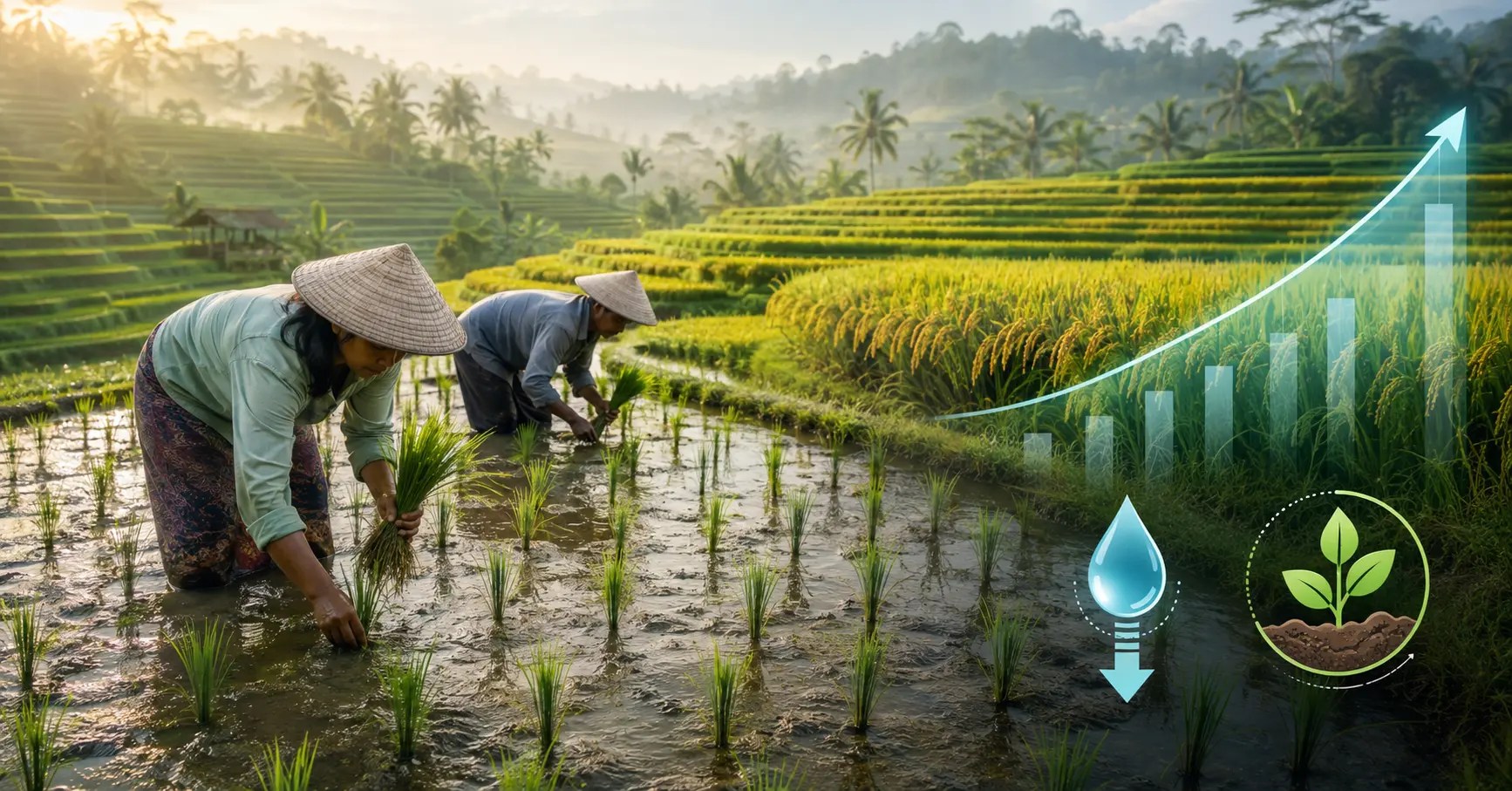
System of Rice Intensification: A Revolutionary Approach to Boost Rice Yield
Background
Rice, a staple crop for billions worldwide, faces challenges in meeting the growing demand for food. Conventional farming practices often rely on high inputs of fertilizers and pesticides, which can damage the environment and lead to stagnant yields. In recent decades, a revolutionary farming method called the system of rice intensification (SRI) has emerged as a promising solution to these challenges.
What is SRI?
SRI is a farming method that focuses on improving the management of soil, water, and nutrients, rather than relying solely on high seed inputs. It involves:
- Significantly reducing the number of rice seeds planted
- Transplanting seedlings to the field at a younger age
- Using different amounts of water at critical growth stages
- Improving soil conditions with organic manure
Benefits of SRI
SRI has been shown to consistently deliver higher rice yields, often up to 40% greater than conventional methods. This is achieved by:
- Promoting healthier root systems and plant growth
- Reducing water usage by up to 50%
- Improving soil fertility and water retention
- Reducing the need for chemical inputs
Challenges and Limitations of SRI
While SRI has shown great promise, it is important to acknowledge its challenges and limitations:
- Requires careful management of water, nutrients, and soil conditions
- May not be suitable for all rice-growing regions or varieties
- Can be labor-intensive in some cases
Evidence of Success
Despite these challenges, evidence is mounting that SRI can make a significant difference for rice yield and profits. Over 9.5 million farmers worldwide have adopted SRI, and many have reported显著yield increases.
Case Studies
- In India, farmer S Sethumadhavan harvested a record-breaking 24 tons of rice per hectare using SRI, four times more than the average yield.
- In Madagascar, SRI has helped farmers double their rice yields and reduce poverty rates.
- In the Philippines, SRI has been credited with increasing rice production by 15% while reducing water usage by 20%.
Best Practices for SRI Implementation
To successfully implement SRI, farmers should:
- Use high-quality seeds and seedlings
- Prepare the soil well with organic matter
- Transplant seedlings at the optimal age and spacing
- Manage water carefully, especially during critical growth stages
- Use organic fertilizers and pest control methods
Conclusion
SRI is a promising farming method that has the potential to revolutionize rice cultivation and improve food security worldwide. While it is not without its challenges, the evidence suggests that SRI can significantly increase rice yields, reduce environmental impact, and improve farmer livelihoods. Further research and support are needed to promote the wider adoption of SRI and harness its full potential.
