
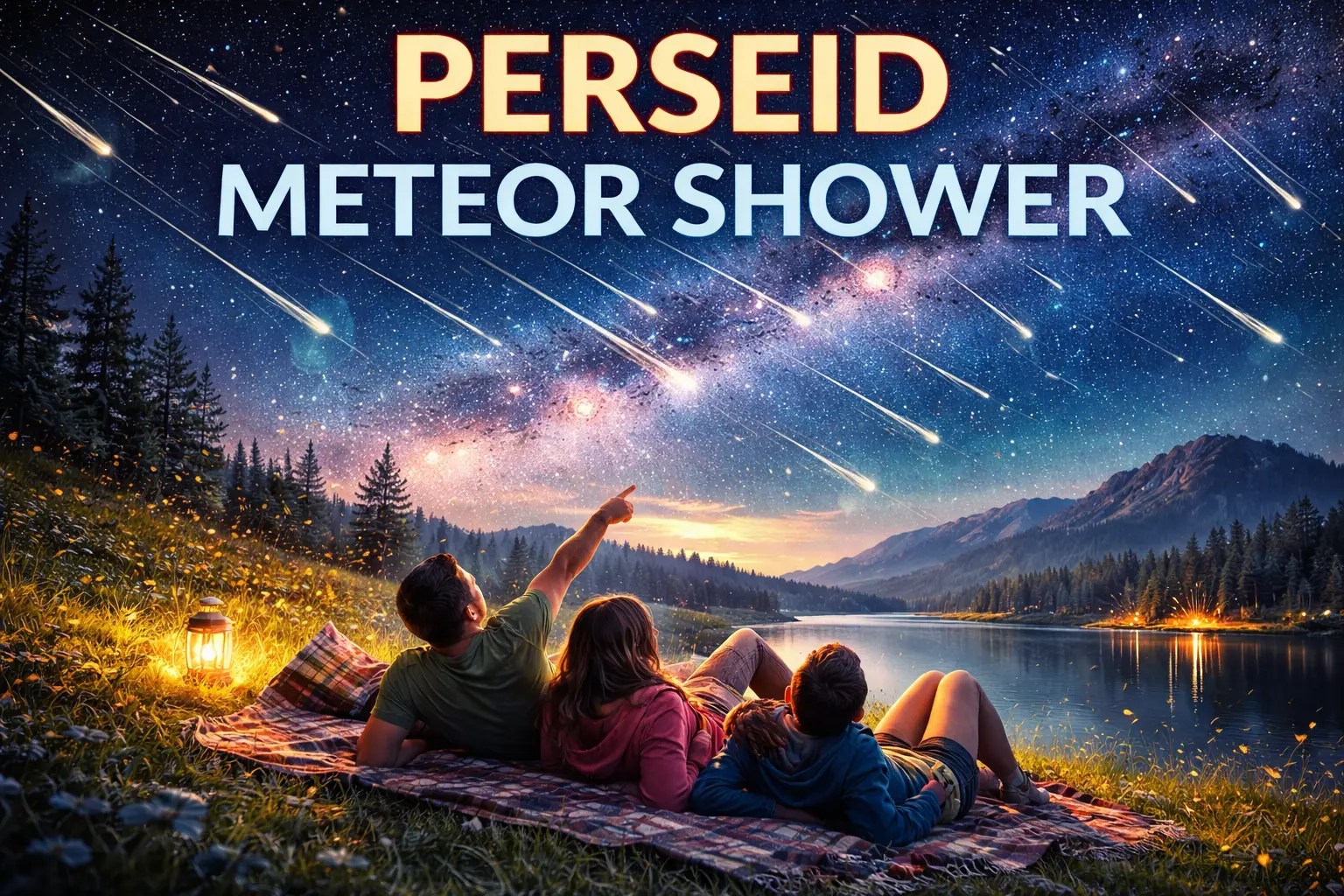
The Perseid Meteor Shower: A Celestial Extravaganza
What is the Perseid Meteor Shower?
The Perseid meteor shower is an annual celestial event that occurs when Earth passes through the debris trail of Comet Swift-Tuttle. This debris, composed of ice and dust, originates from the comet’s nucleus and creates a spectacular light show as it enters Earth’s atmosphere and burns up.
How to See the Perseid Meteor Shower
The Perseid meteor shower is best viewed in the hours just before sunrise, when the radiant point (the point in the sky from which the meteors appear to originate) is highest in the sky. To enhance your viewing experience, find a location with clear, dark skies away from city lights. Lie down on a blanket or reclining chair and allow your eyes to adjust to the darkness for at least 20 minutes.
Where to Watch the Perseid Meteor Shower
The Perseid meteor shower is visible from anywhere on Earth, but the best viewing locations are typically in the Northern Hemisphere. In the United States, the West Coast and California offer prime viewing spots due to their clear skies.
Best Time to See the Perseid Meteor Shower
The Perseid meteor shower peaks on August 12, with the best viewing hours occurring between 1 AM and 5 AM EST. However, the shower is active from July 17 to August 24, providing ample opportunities for skywatchers to catch a glimpse of the celestial show.
What Causes the Perseid Meteor Shower?
The Perseid meteor shower is caused by the Earth’s passage through the debris trail of Comet Swift-Tuttle. This comet orbits the Sun every 133 years, and as it approaches the Sun, its icy nucleus sublimates, releasing gas and dust into space. These particles form a long, trailing cloud of debris that Earth intersects each year, giving rise to the Perseid meteor shower.
How Long Does the Perseid Meteor Shower Last?
The Perseid meteor shower is active for about a month, from July 17 to August 24. However, the peak of the shower occurs on August 12, when Earth passes through the densest part of the debris trail.
Why is the Perseid Meteor Shower So Special?
The Perseid meteor shower is considered one of the most reliable and spectacular meteor showers of the year. It produces a high number of meteors, including many bright fireballs. Unlike many other meteor showers, the Perseids also occur during the warm summer months, making them an accessible and enjoyable viewing experience.
Tips for Viewing the Perseid Meteor Shower
- Find a location with clear, dark skies.
- Lie down on a blanket or reclining chair and allow your eyes to adjust to the darkness for at least 20 minutes.
- Use a star chart or mobile app to locate the radiant point.
- Be patient and persistent. It may take some time to spot a meteor, but with enough patience, you will be rewarded with a stunning celestial display.
What to Expect from the Perseid Meteor Shower
During the peak of the Perseid meteor shower, viewers can expect to see around 40 to 50 meteors per hour. The meteors will appear to streak across the sky, leaving behind brief trails of light. Some meteors may be brighter than others, and some may even explode into fireballs.
History of the Perseid Meteor Shower
The Perseid meteor shower has been observed and recorded for centuries. Ancient Chinese astronomers recorded sightings of the shower as early as 36 AD. The shower was named after the constellation Perseus, from which the meteors appear to originate.
