
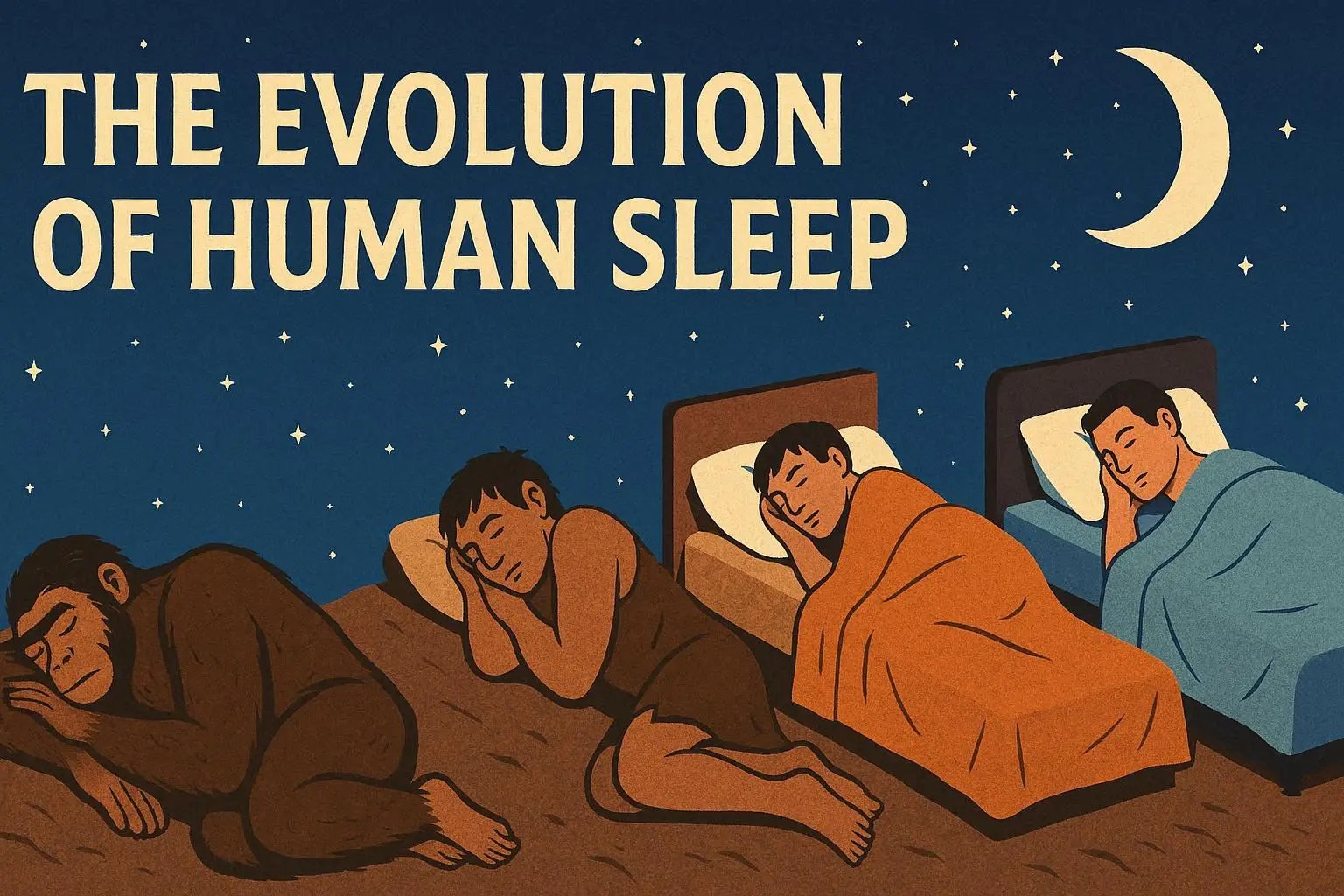
Why Do Humans Sleep Less Than Other Primates?
The Human Sleep Paradox
Humans sleep less than any other primate, a puzzling phenomenon known as the human sleep paradox. While our closest animal relatives, such as chimpanzees, sleep around 9.5 hours per night, humans typically get less than seven hours.
Evolution of Human Sleep
Scientists believe that humans evolved to sleep less efficiently as they transitioned from tree-dwelling to ground-dwelling. Living on the ground exposed them to predators, leading to briefer, more flexible sleep patterns.
Social Sleep Hypothesis
The social sleep hypothesis proposes that humans evolved to sleep in groups for safety. Snoozing within a “social shell” allowed individuals to take turns keeping watch, reducing the risk of predation.
REM and Non-REM Sleep
Humans spend a higher proportion of their sleep time in REM (rapid eye movement) sleep, which is associated with dreaming. This suggests that humans may dream more than other primates.
Sleep in Non-Industrial Societies
Studies of non-industrial societies, such as hunter-gatherer groups, provide valuable insights into the evolution of human sleep. These societies typically average less than seven hours of sleep per night, despite having limited access to artificial light or distractions.
Predator Avoidance and Sleep Duration
Research indicates that the threat of predators is a significant factor in the evolution of sleep duration. Mammals that face greater predation risk tend to sleep less.
Captive vs. Wild Primate Sleep
Data on primate sleep collected in captivity may not accurately reflect their sleep patterns in the wild. Captive animals may experience stress or boredom, which can influence their sleep.
Sleep in Small-Scale Societies
In small-scale societies, sleep is often a communal activity. Individuals may gather around a fire, share stories, and take turns sleeping while others stay awake. This social aspect of sleep may have contributed to the evolution of briefer, more flexible sleep patterns.
Sleep Satisfaction and Insomnia
Despite sleeping less than other primates, many humans report feeling rested and satisfied with their sleep. However, insomnia, a condition characterized by difficulty sleeping, is common in modern society.
Evolutionary Perspective on Sleep
Understanding the evolutionary history of sleep can provide insights into sleep problems and insomnia. For example, insomnia may be a manifestation of hypervigilance, an adaptive trait that helped our ancestors survive in dangerous environments.
Improving Sleep
By learning from the sleep patterns of our evolutionary past, we can gain a better understanding of how to optimize our own sleep. This may involve finding ways to reduce stress, establish regular sleep-wake cycles, and create a safe and supportive sleep environment.
