
2024 Garden and Yard Trends: A Guide to the Latest Innovations
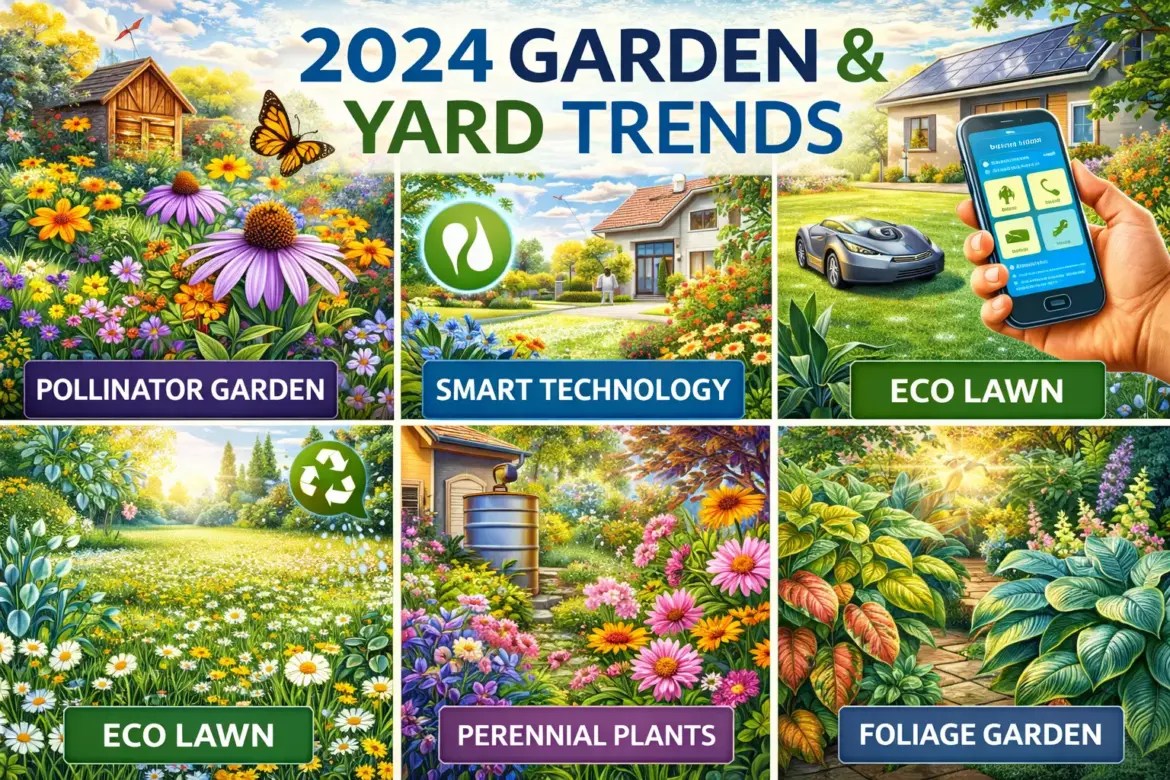
Pollinator Plantings: A Haven for Monarchs and Other Pollinators
As concerns about the decline of monarch butterflies and other pollinators grow, homeowners are increasingly seeking ways to create pollinator-friendly gardens. Experts recommend planting native plants that provide nectar and pollen throughout the year, such as milkweed, butterfly weed, and borage. Even small spaces like curb strips or flower boxes can contribute to the pollinator corridor.
Smart Yard Technology: Conserving Water and Saving Money
Smart yard technology is becoming increasingly popular as a way to conserve water and save money. Smart sprinkler controllers use real-time weather data to water plants only when they need it, reducing water usage. Mobile apps allow users to adjust and monitor watering schedules remotely, further optimizing water use.
Meadows and Eco Lawns: Low-Maintenance and Environmentally Friendly
Traditional grass lawns require significant water and maintenance. In response, homeowners are turning to low-maintenance and eco-friendly alternatives such as meadows and eco lawns. Meadows feature a mix of native wildflowers and grasses that require less watering and mowing. Eco lawns, also known as ecology lawns, replace grass with drought-tolerant and disease-resistant plants like clovers and herbaceous plants.
No-Dig Gardens: Nurturing Soil Health and Capturing Carbon
With growing awareness of climate change, many gardeners are adopting no-dig gardening practices to improve soil health and capture carbon. Instead of annual tilling, no-dig gardeners use mulch, cover crops, and compost amendments to sustain the soil. This approach helps maintain soil structure, increase biodiversity, and reduce erosion.
Perennial Plants: A Long-Term Investment in Beauty and Sustainability
Perennial plants are becoming increasingly popular due to their longevity and environmental benefits. These plants stay in the ground for multiple seasons, giving them more time to store carbon in the soil. Perennial versions of vegetables like kale, collard greens, asparagus, and broccoli are available, as well as a wide variety of herbs and fruits.
Resilient Plant Varieties: Adapting to Extreme Weather Conditions
Even with protective measures, drought, pests, and heat can take a toll on plants. Seed breeders are responding by developing resilient, open-pollinated varieties that can withstand extreme weather conditions. These plants require less chemical treatments and water resources, reducing their environmental impact.
Tended Gardens: A Return to Formal Pruning and Sculpting
Despite the trend towards low-maintenance landscapes, pruned gardens with well-kept hedges remain popular. Pruning can be a meditative practice, and manicured hedges and topiaries add a touch of formality to outdoor spaces. Some homeowners are embracing a mix of meticulous pruning and wilder aesthetics, creating a harmonious blend of controlled and natural elements.
Flower Colors: A Spectrum of Expression
The modern farmhouse trend has brought an all-white aesthetic to gardens, providing a calming and cohesive look. However, many homeowners are also embracing a more vibrant approach, incorporating a wide range of flower colors into their gardens. This reflects the evolving fashion trends that encourage self-expression and joy.
Foliage Gardens: Subtle Beauty in Shades of Green
Foliage gardens are gaining popularity for their subtle and sophisticated beauty. These gardens feature various shades of green, along with silver, blue, chartreuse, white, and even black accents. Unlike the contrasting colors that were popular in the past, today’s foliage gardens are more understated and intimate, creating a tranquil and relaxing outdoor space.