
The DC-3: A Revolutionary Force in Air Travel
Technological Advancements
The DC-3 aircraft, introduced in 1938, revolutionized air travel with its groundbreaking technological advancements. Douglas Aircraft, leveraging innovations from both Douglas and Boeing, equipped the DC-3 with supercharged 1,200-horsepower twin engines, cantilevered metal wings, and retractable landing gear. These advancements dramatically improved the plane’s performance, speed, and safety.
Passenger Comfort and Luxury
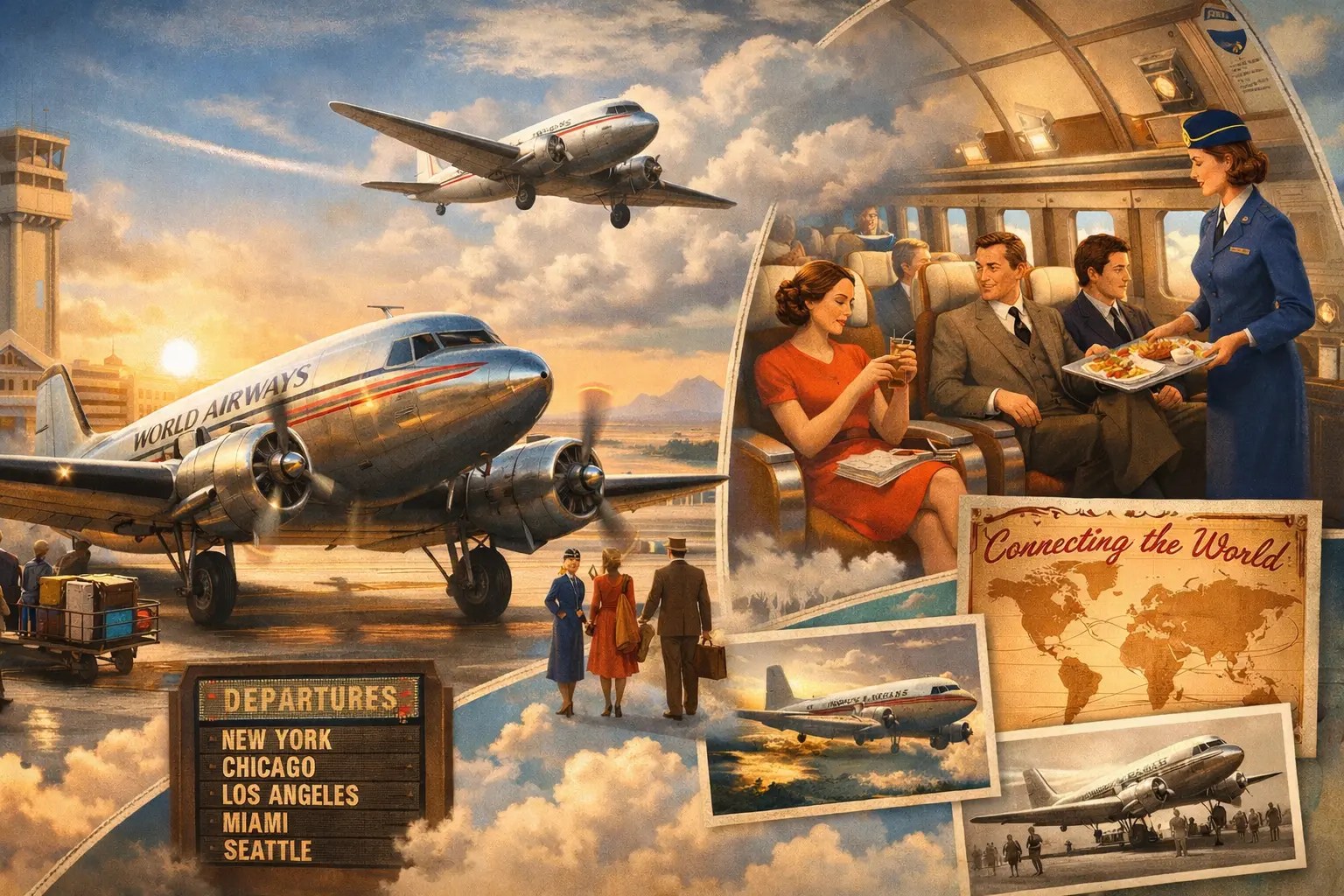
The DC-3 prioritized passenger comfort, transforming air travel from a grueling experience to a luxurious one. Passengers enjoyed cocktails, gourmet meals served on fine china and silverware, and even curtained berths with goose-down comforters on transcontinental sleeper flights. The spacious cabins and attentive service created a cosseted world for travelers, making the journey itself a destination.
Transcontinental Flight Revolutionized
Before the advent of the DC-3, transcontinental flights were arduous and time-consuming, often requiring multiple stops and changes of planes. The DC-3, however, could cross the country with only a few refueling stops, reducing travel time significantly. This accessibility and convenience made air travel more appealing to a broader audience, including business travelers who valued time savings.
Impact on the Aviation Industry
The DC-3’s success had a profound impact on the aviation industry. Its reliability and efficiency made it a favorite among airlines, leading to increased air travel and the expansion of commercial aviation. The plane’s popularity also inspired the development of new airports and infrastructure to accommodate the growing demand for air transportation.
Role in World War II
During World War II, the DC-3, modified as the C-47, played a crucial role in military operations. It transported cargo, troops, and paratroopers, contributing to Allied victories in major battles such as D-Day. The plane’s versatility and dependability made it an indispensable asset in the war effort.
Legacy and Enduring Impact
The DC-3’s legacy extends far beyond its time in service. It is widely regarded as the first airliner capable of making money solely from passenger revenue. Its innovations and passenger-centric design paved the way for modern commercial aviation. Today, at least 400 DC-3s remain in operation worldwide, primarily in cargo operations, serving as a testament to the plane’s enduring strength and reliability.
Conclusion
The DC-3 aircraft revolutionized air travel by introducing technological advancements, elevating passenger comfort, and making transcontinental flight more accessible. Its impact on the aviation industry and role in World War II cemented its place as a legendary aircraft that continues to inspire and fascinate aviation enthusiasts to this day.
