
Unicorn Baby Dinosaur: The Cutest and Weirdest Dinosaur Ever
Discovery of a Unique Dinosaur Embryo
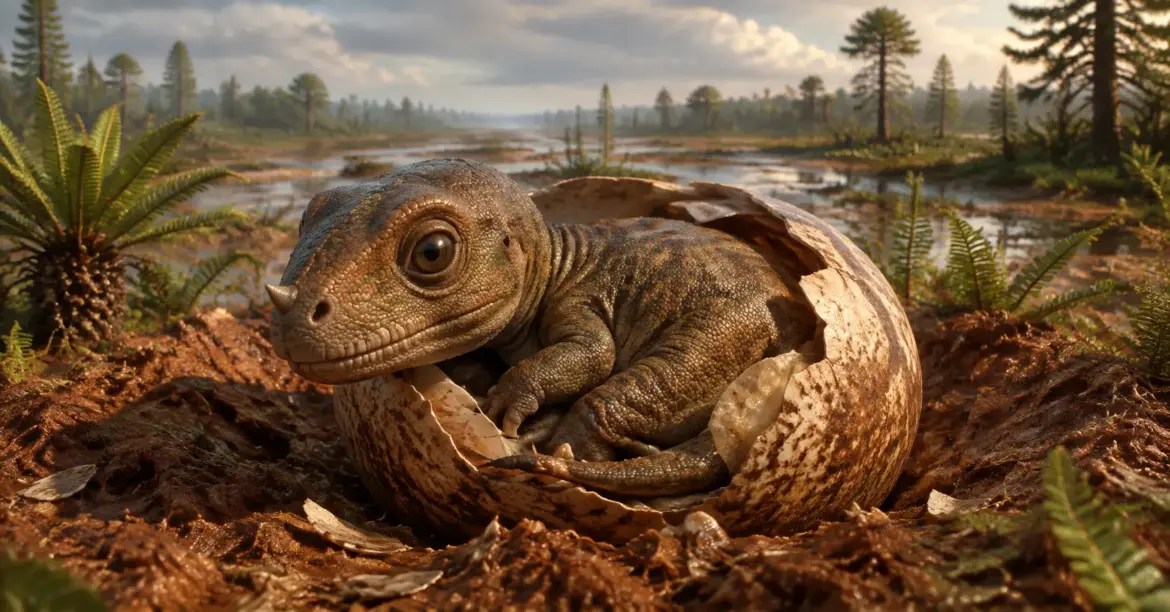
A tiny, fossilized dinosaur embryo skull has been discovered, providing new insights into the early development of sauropods, the giant long-necked dinosaurs. The skull, which is less than an inch and a half long, was preserved in 3D, allowing researchers to spot its unusual features.
Distinctive Characteristics
Unlike adult sauropod skulls, the embryonic fossil skull has a small horn on the tip of its nose. The structure of the skull also suggests that the dinosaur’s eyes faced forward in its head, unlike the side-facing eyes of adult sauropods.
Embryonic Development
The researchers believe that the embryonic sauropod belonged to a species called Tapuiasaurus, which grew to about 43 feet long. The skull is one of the best-preserved examples of a dinosaur embryo’s skull, and it provides valuable information about the development of these giant creatures.
Preservation and Study
The tiny skull was hidden from scientific research for about a decade after it was smuggled from Argentina to the United States illegally. In 2011, it reached paleobiologist Martin Kundrát, who led the new research. Kundrát used 3D scans to visualize the entire skull without damaging the specimen.
Theories about the Horn
The bumpy horn on the tip of the sauropod’s nose has puzzled researchers. They suspect that it may have functioned as an egg tooth, which some baby birds use to puncture their egg shells from the inside. Alternatively, the horn may have been used for defense.
Eyesight Adaptation
Based on the shape of the skull’s eye sockets, the researchers found that the dinosaur’s eyes would have faced forward like a human’s eyes. This suggests that young titanosaurians may have grown up in crowded, enclosed forests, where depth perception would help them dodge predators.
Comparison to Adult Sauropods
Adult sauropods are recognizable by their broad bodies, high-reaching necks, and long tails. The largest species of sauropods, such as Argentinosaurus and Patagotitan, could grow to about 120 feet long and weigh 70 tons. The embryonic sauropod skull provides a glimpse into the early development of these massive creatures.
Significance of the Findings
The discovery of the unicorn baby dinosaur embryo has important implications for our understanding of dinosaur evolution. It provides new insights into the development of sauropods and suggests that they may have had different adaptations in their early lives compared to their adult counterparts.
Repatriation of the Fossil
The fossil currently remains in Los Angeles, but the researchers plan to repatriate the skull to Argentina when COVID-19 restrictions lift. This will allow Argentine scientists to study the specimen and contribute to our knowledge of their country’s rich fossil heritage.