
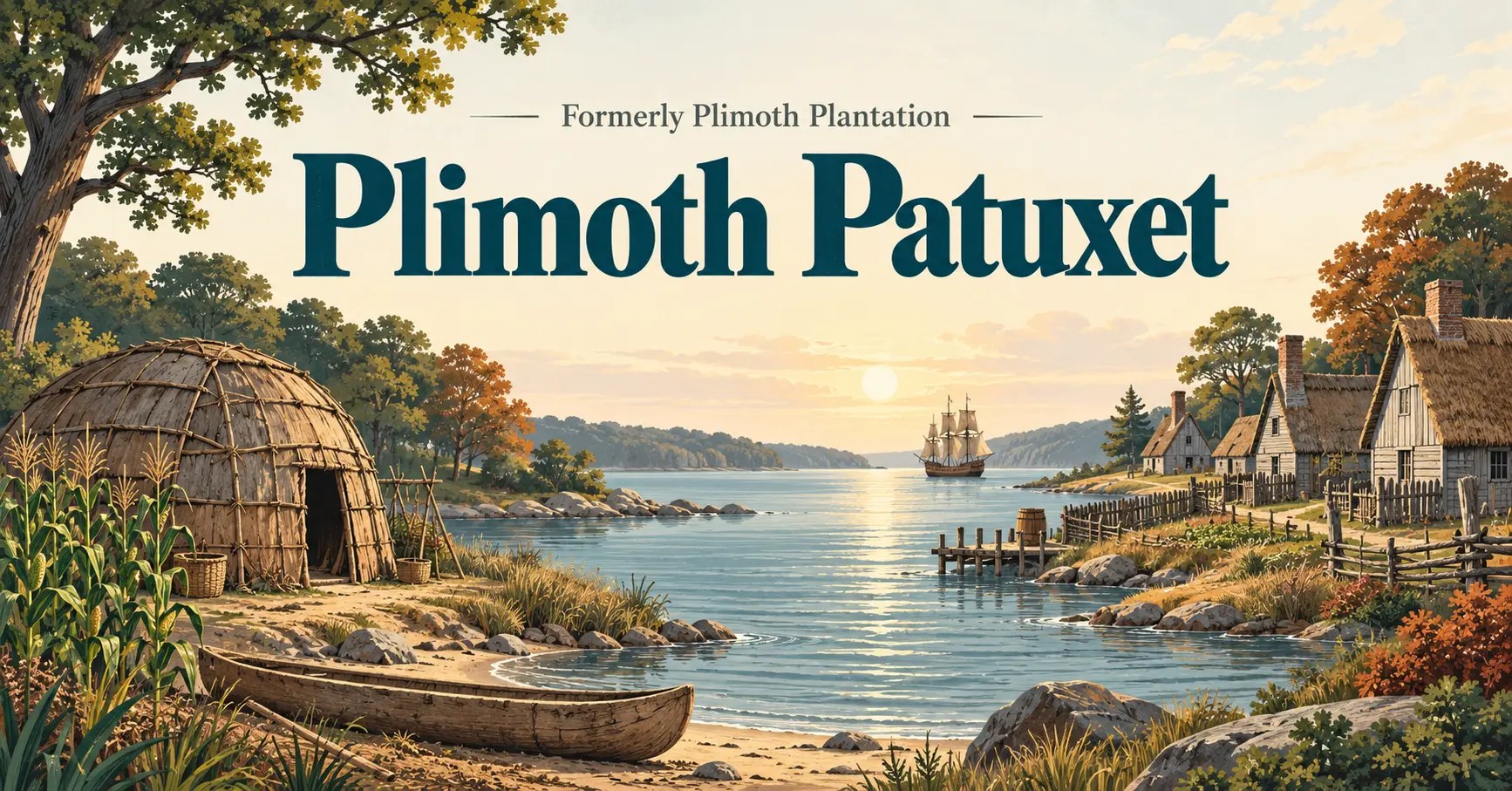
Plimoth Plantation Embraces Inclusivity with New Name
Historical Context
Plimoth Plantation, a living history museum located in Massachusetts, has embarked on a journey of inclusivity by announcing a forthcoming name change that will incorporate the Mashpee Wampanoag name for the region: Patuxet. This decision aligns with the museum’s mission to accurately represent both the Indigenous and European perspectives of the area’s history.
Etymology and Historical Significance
The term “plantation” has historically carried connotations of slavery and colonialism, particularly in the antebellum South. Recognizing this, Plimoth Plantation aims to shed this outdated terminology and embrace a name that more fully reflects the diverse heritage of the land it occupies. Patuxet, the Wampanoag name for the area, holds deep cultural significance and serves as a reminder of the Indigenous people who have inhabited the region for centuries.
Reenacting the Past
Plimoth Plantation features two distinct living history exhibits: a recreated 17th-century English village and a Wampanoag homesite. The English village, staffed by historical reenactors, transports visitors back in time to experience the daily life and culture of the Pilgrim settlers. The Wampanoag homesite, on the other hand, showcases the traditional lifestyle and practices of the Indigenous people who lived in the area before the arrival of Europeans.
Indigenous Perspectives
Representatives of the Mashpee Wampanoag Nation have welcomed the name change as a positive step, but they also emphasize the need for further progress. They advocate for expanding the Wampanoag exhibition to include additional homesites, providing Native Americans with greater authority over programming, and ensuring fair and equal wages and budgeting for Indigenous initiatives.
Representation and Inclusivity
Plimoth Plantation’s name change is part of a larger trend towards greater representation and inclusivity in museums and historical institutions. By acknowledging the complex and often marginalized history of Indigenous peoples, museums can foster a more accurate and comprehensive understanding of the past. This shift reflects a growing awareness of the importance of diversity and cultural sensitivity in education and public discourse.
Broader Context
The name change at Plimoth Plantation comes amid a wave of similar initiatives across the United States. Other institutions, such as the Washington, D.C. football team and the State of Rhode Island, are also removing outdated or offensive language from their names. This movement reflects a broader societal shift towards addressing historical inaccuracies and promoting cultural understanding.
Looking Ahead
Plimoth Plantation’s new name is expected to be announced within the next several months. The museum’s leadership believes that this change will not only better represent the dual heritage of the region but also contribute to a more inclusive and accurate commemoration of the 400th anniversary of the Mayflower’s landing. By embracing Patuxet as part of its name, Plimoth Plantation demonstrates its commitment to a more inclusive and equitable future.
