
Growing and Caring for Tiger Lilies
Blooming Beauties
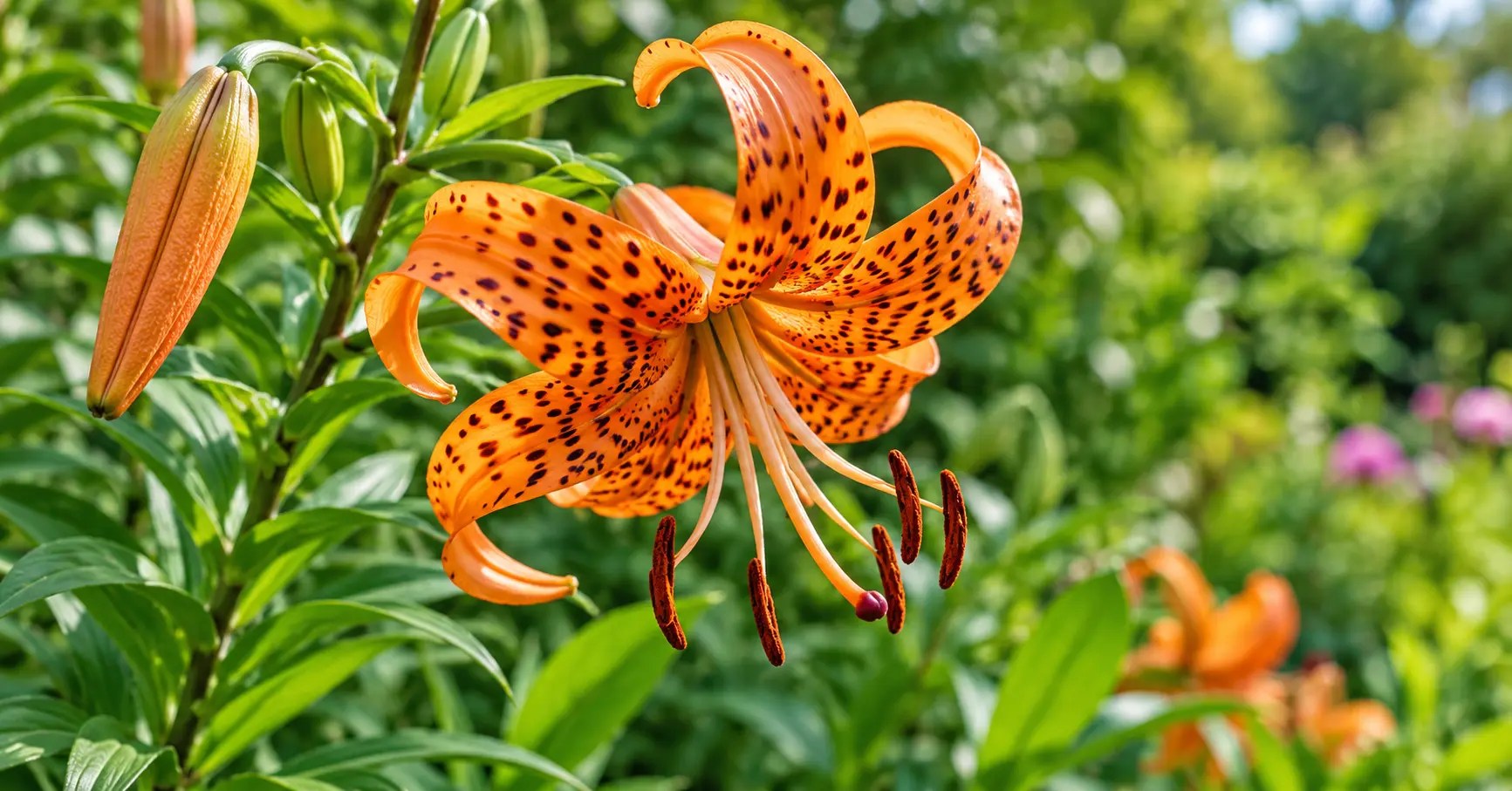
Tiger lilies are striking perennials that add vibrant color to summer gardens. With their curved orange petals and dark speckles, they are instantly recognizable and a favorite among gardeners.
Planting and Care
Tiger lilies thrive in well-draining soil with a slightly acidic pH. They prefer full sun but can tolerate partial shade. Plant the bulbs in the fall or spring, placing them pointed side up about 6 inches deep.
Water and Fertilization
Water tiger lilies regularly, especially during the first few years until their root system matures. Mature lilies can tolerate some drought but prefer consistent watering. Fertilize the lilies once or twice a year with a balanced fertilizer.
Propagation
Propagate tiger lilies by bulb division in the spring or fall. Carefully dig up the entire plant and separate the individual bulbs. Replant the bulbs in separate locations, ensuring the pointed side is facing upward.
Pests and Diseases
Tiger lilies are generally resistant to pests and diseases, but they can be susceptible to lily leaf beetles and aphids. Treat infestations promptly with insecticidal sprays.
Common Problems
- Yellowing leaves: Overwatering or poor drainage
- Brown leaves: Aphid infestation
- Holes in leaves: Lily leaf beetles
Specific Care Tips
To Encourage More Blooms:
- Ensure proper moisture levels while the plant is in bloom.
- Divide the bulbs if they have become overcrowded.
To Overwinter Tiger Lilies:
- The bulbs can survive freezing temperatures in the ground.
- Mulch the planting site with a couple of inches of material for insulation.
- Ensure the planting site does not become waterlogged.
FAQs
Do Tiger Lilies Spread Easily?
Yes, tiger lilies can spread aggressively through bulb offsets.
Will Tiger Lilies Come Back Every Year?
Yes, tiger lilies are perennials and will return year after year.
When Should I Plant Tiger Lilies?
Plant the bulbs in the fall or spring for blooms in mid to late summer.
Additional Tips
- Avoid planting tiger lilies in areas with poor drainage.
- Mulch around the base of the plants to retain moisture and regulate soil temperature.
- Deadhead spent blooms to prolong the blooming period.
- Tiger lilies are toxic to humans and cats, so handle them with care.
