
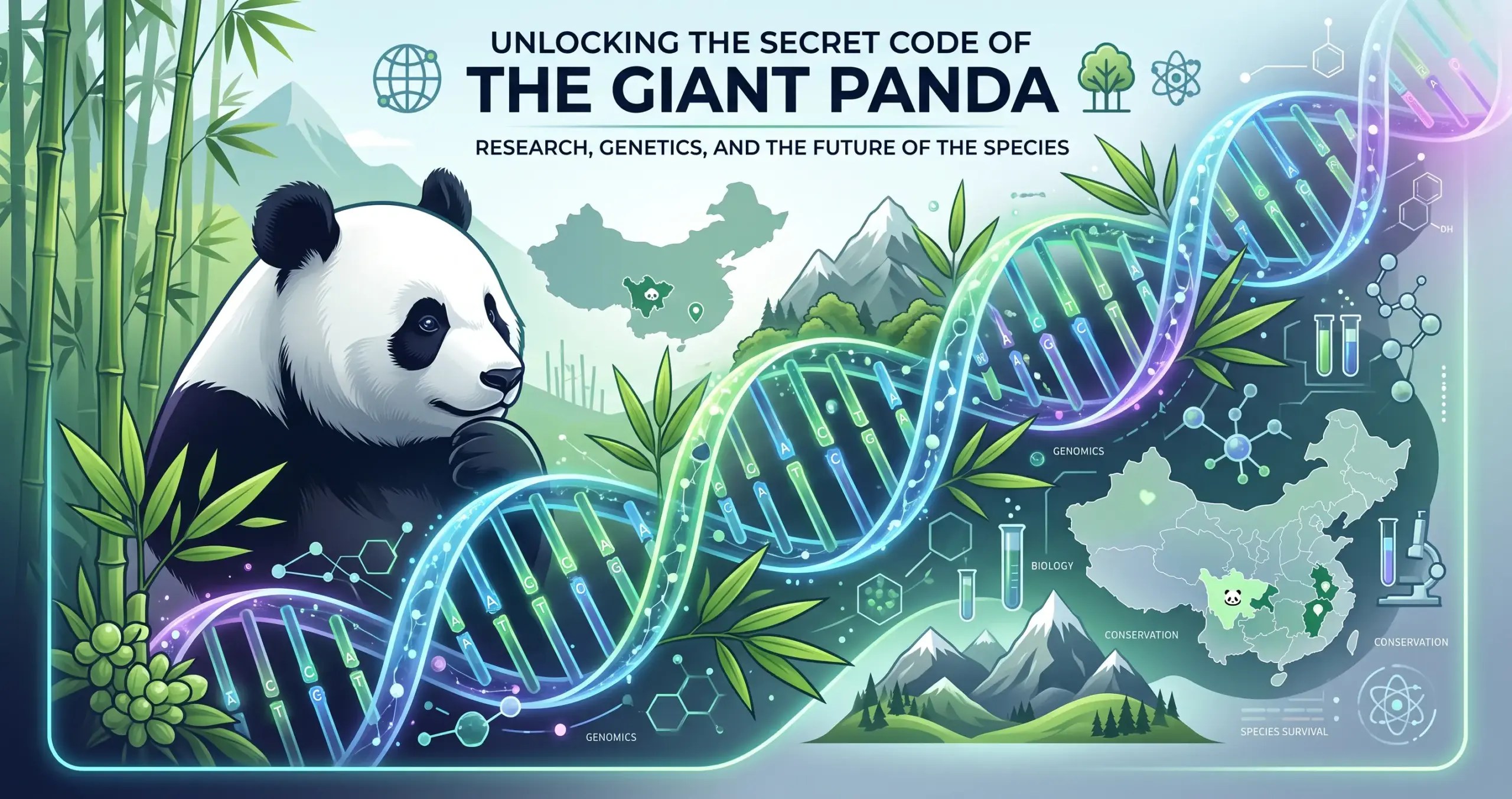
Giant Pandas: Unraveling Their Genetic Mysteries
The Panda Genome Project
In a groundbreaking study published in the prestigious journal Nature, an international team of scientists has deciphered the draft genome sequence of the giant panda (Ailuropoda melanoleura). This remarkable achievement provides unprecedented insights into the unique genetic makeup of this enigmatic animal.
Classification and Evolutionary History
For decades, scientists have debated the evolutionary relationships of pandas. Their distinctive features, such as their black-and-white markings and bamboo-based diet, have raised questions about whether they are more closely related to bears or raccoons. The panda genome sequence confirms their classification within the Carnivora order, the same group that includes bears, dogs, and cats.
Dietary Adaptations
Despite their carnivorous ancestry, pandas have evolved to subsist primarily on bamboo, a low-nutrient plant. Their genome reveals the presence of genes encoding digestive enzymes essential for a carnivorous diet, such as amylase, cellulase, and maltase. However, they lack genes for enzymes that would aid in bamboo digestion. Scientists believe that pandas rely on gut bacteria to break down the tough plant fibers.
The Mystery of Bamboo Consumption
Why do pandas eat bamboo instead of meat? The researchers suggest that it may be due to a mutation in the T1R1 gene, which is responsible for detecting umami taste. Umami, often referred to as the “fifth taste,” is present in meats, cheeses, and other protein-rich foods. Pandas, with their mutated T1R1 gene, may not find meat as appealing.
Genetic Diversity and Conservation
The sequenced panda genome exhibited a high level of heterozygosity, indicating a low level of inbreeding and a high degree of genetic diversity within the panda population. This genetic diversity is crucial for the survival of the species, as it provides a buffer against environmental stresses and diseases. However, further research is needed to determine the genetic diversity of the entire panda population, as the sequenced individual had a mixed genetic background.
Conservation Implications
The panda genome sequence is a valuable tool for conservation efforts. By understanding the genetic basis of panda biology, scientists can develop targeted strategies to protect and manage this endangered species. For example, the identification of genes involved in reproduction and disease resistance can guide captive breeding programs and veterinary care.
Future Research
The panda genome sequence opens up new avenues for research. Future studies will focus on:
- Comparing the panda genome to other carnivores to better understand their evolutionary relationships
- Investigating the role of gut bacteria in panda digestion
- Identifying genetic markers for conservation management
- Developing genetic tools to monitor panda health and population dynamics
Conclusion
The giant panda genome sequence provides a wealth of information about this fascinating animal. It confirms their classification within the Carnivora order, sheds light on their dietary adaptations, and highlights the importance of genetic diversity for their survival. This groundbreaking research will undoubtedly contribute to ongoing conservation efforts and deepen our understanding of the unique biology of the giant panda.
